Answer: True
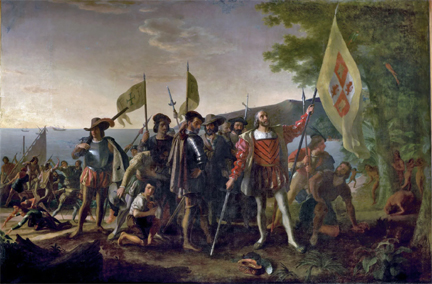
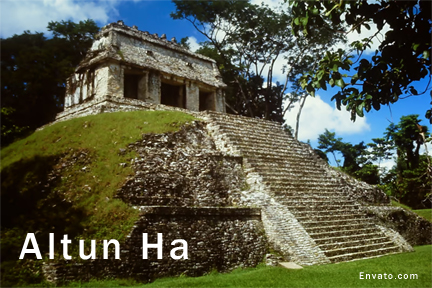
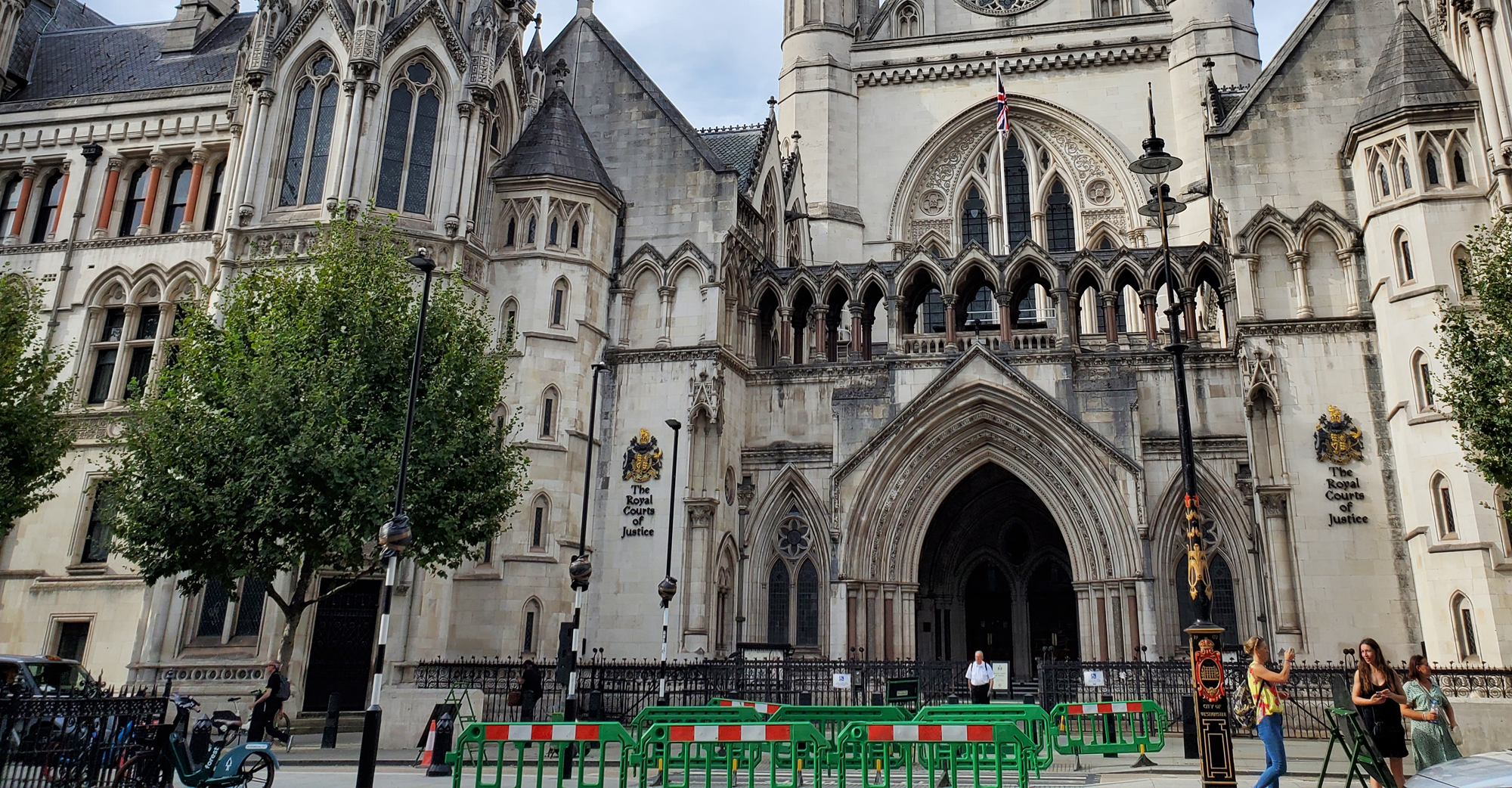
The Maya civilization spread into the area of Belize between 1500 BCE and 300 CE and flourished until about 1200. European contact began in 1502–1504 when Christopher Columbus sailed along the Gulf of Honduras. European exploration of the region began in the 16th century with the arrival of the Conquistadors, which claimed the territory for the Spanish Empire. Despite this, Spain did not establish a permanent settlement there, largely because the region offered little mineral wealth, its coast was difficult to colonize, and the conflicts with indigenous people. Over time, English settlers were allowed to establish themselves in the region, and after the Battle of St. George's Caye in 1798, Spain made no further attempt to expel them. The territory remained claimed by Spain until the collapse of Spanish rule in the region in 1821, after which competing claims were assumed chiefly by Guatemala, as reflected in the later Belizean–Guatemalan territorial dispute. The territory was formally designated the colony of British Honduras in 1862 and became a Crown colony in 1871. Belize achieved its independence from the United Kingdom on 21 September 1981. It is the only mainland Central American country which is a Commonwealth realm, with King Charles III as its monarch and head of state, represented by a governor-general.