Story by Ringo Boitano
Photographs by Deb Roskamp
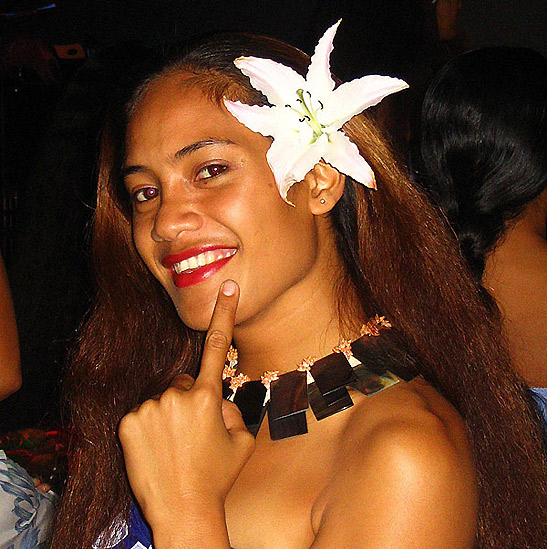

The first thing you notice is the fragrance. The intoxicating perfume of the tiare flower announces to your senses that you are in a magical place, overflowing with tropical vegetation and soothing trade winds. It is the same fragrance that the English seamen on the HMS Bounty also first encountered; but they came, not for flowers, but for breadfruit, intended as a new food staple for their slaves in the West Indies. But that was another time and another emotional place. Today, Papeete, located on Tahiti Nui (“Big”), is Tahiti’s vibrant capital city and gateway to her islands. Roughly one-half of all of the Tahitian islands’ population lives in this city. Papeete bustles with world-class resorts, restaurants, nightclubs and endless shopping. If it’s a pearl you want or a hand-painted pareu (sarongs) – worn by women and men alike – this is the place for it.
The Museum of Tahiti and Her Islands offers a good overview of the island’s history. The English were the first Europeans to arrive, stripping the islanders of much of their heritage. In 1842, the French took over, and today the islands’ inhabitants possess full French citizenship, but the Gallic texture is evident only on the surface. Tahitians have maintained much of their old lifestyles. This is an island paradise and the warmth and openness of its people is the essence of its charm.
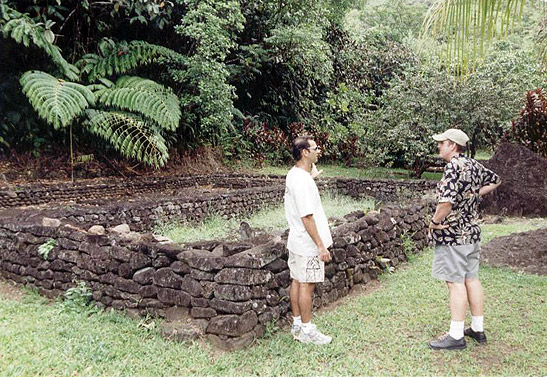
Not to be missed is Arahurahu Marae, the islands’ only completely reconstructed marae. An open-air place of worship and ceremony, the sacred temple is constructed of tiers of stones where the Tahitian elite made sacrifices. Yes, sometimes even human. Put an inland safari on your list, too. My jeep tour was deep into the mountainous valley of Papenoo; a true Garden of Eden with fertile displays of ginger, vanilla, taro, noni and breadfruit. The medicinal and cosmetic benefits of the pants and flowers are well utilized by the Tahitians, renowned for their health, physical beauty and spiritual serenity.
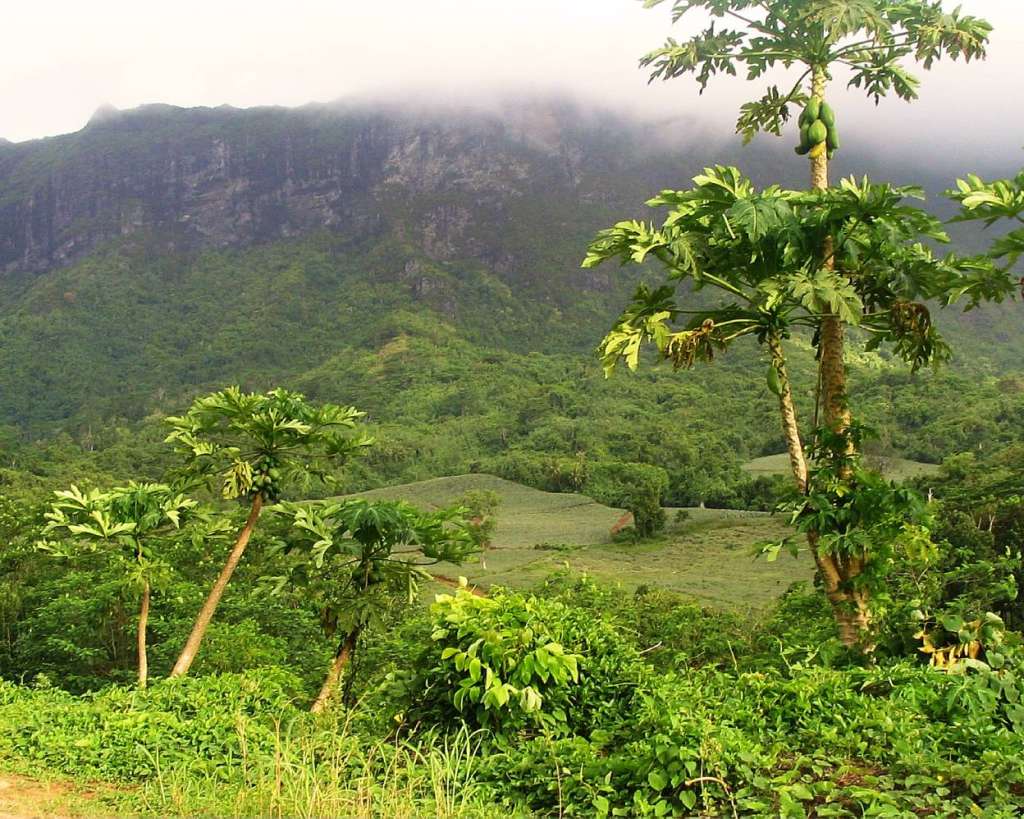
Tahiti Nui has much to offer, but locals also proudly tout the outlying, less-populated islands for their beauty and tranquility. Exploring the other Tahitian islands is best accomplished by booking an excursion on a cruise ship. You get to see more islands and it is less expensive.
Bora Bora– The Romantic Island
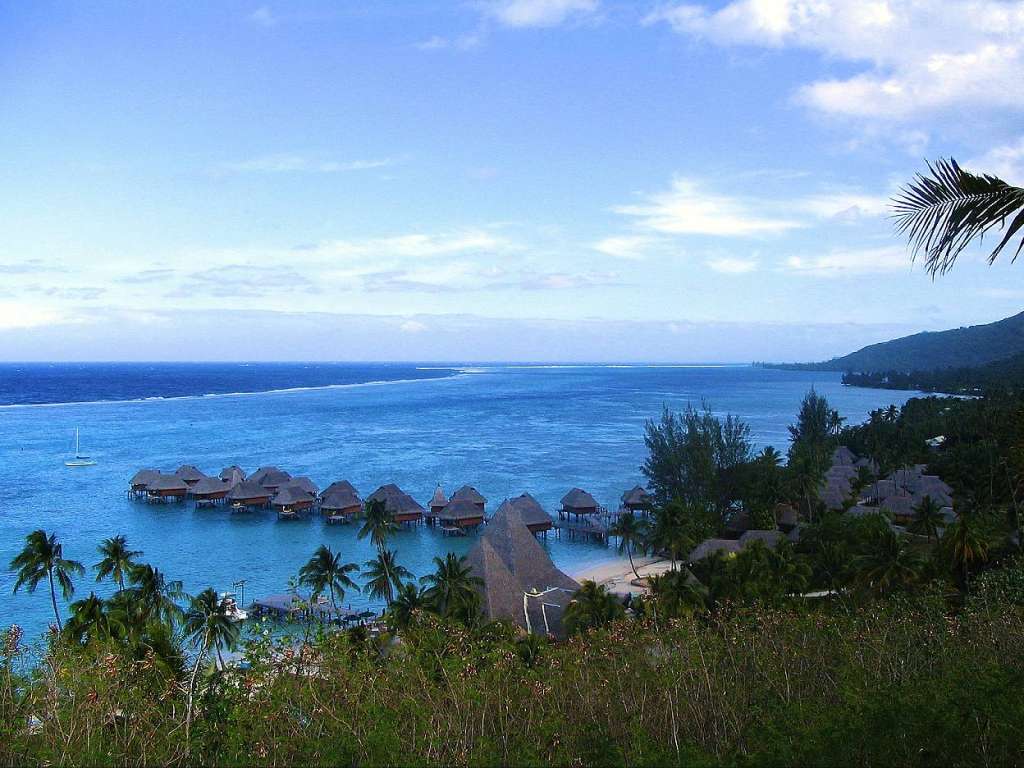
With its alluring blue lagoons, lush tropical slopes and Mount Otemanu looming in the distance, this enchanting island is synonymous with romance. Bora Bora is the place for a bike ride around the island, a leisurely hike, or to simply disappear on a white sandy beach. The history buff will enjoy seeing remnants of cannons manned by American servicemen during World War II. Until 1942, there were no roads and no vehicles on Bora Bora. Now tourism is on the rise, with scores of over-the-water bungalows dotting the multi-hued clear lagoon, but to the Yankee mainlander, this is still paradise found.
Moorea – The Magical Island
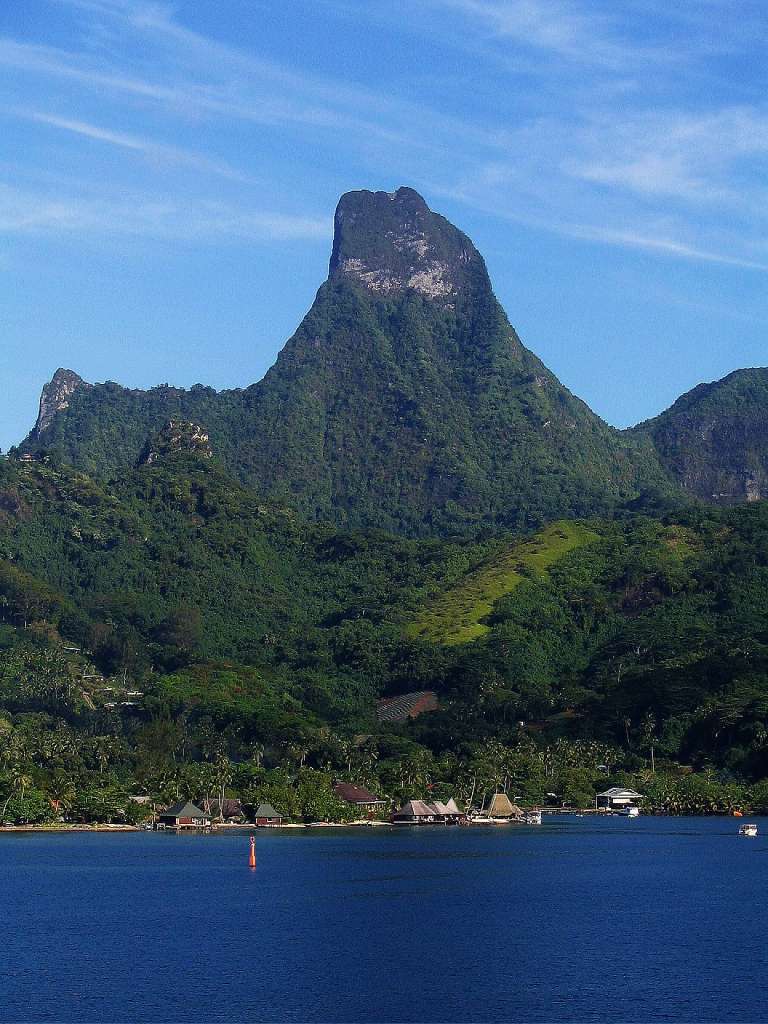
Moorea is the very essence of a South Seas island paradise, and it comes as no surprise that it is a favorite of many Tahitians. The beauty of the island, with its jagged green mountains and palm-draped beaches, is astounding. James Michener called it Bali Hai, Herman Melville based his novel Omoo on it, and Captain Cook spoke passionately of its landscapes and the beauty of the local people. Moorea is unique among the Tahitian Islands in having magnificent expanses of both white and black beaches. High in Moorea’s interior mountains, Polynesian royalty practiced their archery and maraes are hidden in rainforests. On a hilltop lookout between shark-tooth Mount Rotui and towering Mount Tohivea, there is an once-in-a-lifetime view once reserved only for the gods.
Raiatea – The Sacred Island
Raiatea, meaning “faraway heaven” was the cultural, religious and royal heart of Polynesia – the birthplace of the gods. The second largest Tahitian isle, it was where entire clans, complete with dogs, plants, trees and livestock, sailed off to find new homes on other islands. Today, you can canoe around the fjord-like Faaroa Bay and discover why the island was a favorite of Captain Cook.
Taha’a – The Vanilla Island
Taha’a offers a glimpse of the traditional tranquil life of the Tahitians. The flower-shaped island is surrounded by tiny motus (small islands) and in its fertile valleys farmers grow watermelon and vanilla – which is much stronger than the vanilla that is generally obtained from Mexico.
The Foods of Tahiti
Indigenous Tahitian cuisine uses what’s available from the land and from the sea, and is abundant in fish and fruit. Coconut milk and vanilla are incorporated in many of the dishes. Poisson Cru, tuna cured in limejuice with chopped green onions, cucumbers and tomatoes; and Fafa, a stew of chicken with spinach-like taro leaves; are among my favorites. The taro root (more flavorful than the Hawaiian version), breadfruit, sweet potatoes, and plantains offer typical starch fare. Mangoes, bananas, watermelon, pineapple, papaya, guava, soursop and pummelo are in abundance. From the lagoons come parrotfish, perch, and mullet; from the open sea the freshest of fresh tuna, bonito, wahoo, scad and mahi mahi.
For further information about Tahiti and her Islands, log-on to Tahiti-Tourisme.com.