On February 16, 2026, documentarian film director, Frederick Wiseman, passed away. He was 96 years old. His most famous documentary films include Titicut Follies (1967, Hospital (1970), Welfare (1975), and In Jackson Heights (2015). His films were renowned for possessing a dramatic structure despite not using a traditional documentary narrative, plus focusing on social and economic themes.

Wiseman has spent more than half a century documenting the structures, contradictions and rituals of modern life. In Titicut Follies (1967), Wiseman’s landmark debut film takes us inside a Massachusetts institution for the criminally insane, unflinchingly documenting the treatment and mistreatment of inmates. Often blurring the distinction between doctors and patients, and at times harrowing to watch, the film was prohibited from general distribution in the USA for almost 25 years.
More recent, expansive cultural institutions include the New York Public Library (Ex Libris, 2017) and the Opéra de Paris (La Danse, 2009).
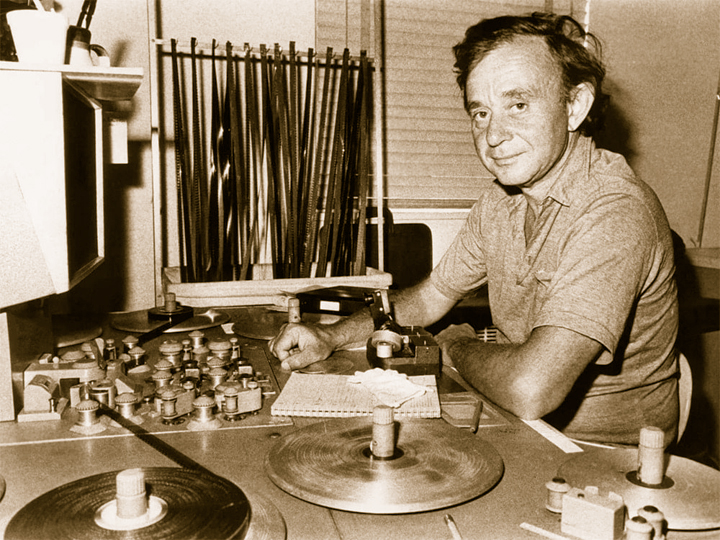
While producing a film, Wiseman often acquired more than 100 hours of raw footage. His ability to create an engaging and interesting feature-length film without the use of voice-over, title cards, or motion graphics had been described as the reason Wiseman is seen as a true master of documentary film.
His works affected American institutions and attempted to hold institutions accountable for moral and ethical situations. He was noted as one of the most admired and influential filmmakers by the Associated Press. The Guardian called Wiseman’s films “monuments to human suffering and human challenge and human potential.”
Wiseman said, “My films are based on unstaged, un-manipulated actions. The editing is highly manipulative, and the shooting is highly manipulative… What you choose to shoot, the way you shoot it, the way you edit it and the way you structure it… all of those things… represent subjective choices that you have to make. In [Belfast, Maine] I had 110 hours of material … I only used 4 hours – near nothing. The compression within a sequence represents choice and then the way the sequences are arranged in relationship to the other represents choice.”
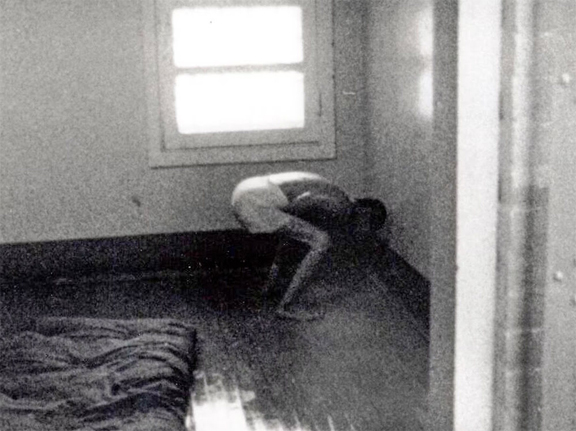
Wiseman’s death was announced in a joint statement from the Wiseman family and Zipporah Films:
“For nearly six decades, Frederick Wiseman created an unparalleled body of work, a sweeping cinematic record of contemporary social institutions and ordinary human experience primarily in the United States and France,” the statement read. “His films – from ‘Titicut Follies’ (1967) to his most recent work, ‘Menus-Plaisirs – Les Troisgros’ (2023) – are celebrated for their complexity, narrative power and humanist gaze. He produced and directed all of his 45 films under the banner of Zipporah Films, Inc.”
Wiseman announced his retirement in 2025 due to the lack of energy to make further films.



































Peggy
February 22, 2026 at 4:03 am
Thank you, Ed, for memotialothe great Frederick Wiseman. I only hope that his work inspired change.