Traveling Boy’s Memory Lane Invites all writers to share their stories to the world. As long as websites in the internet are accessible, these stories will be your footprint of your life adventures. They may be happy, sad, playful, religious, political, narrative, poetic, etc. The more creative and the more honest, the better. Years … centuries from now, some alien ship will find this website and will wonder what mankind was all about. Your articles will answer a lot of their questions.
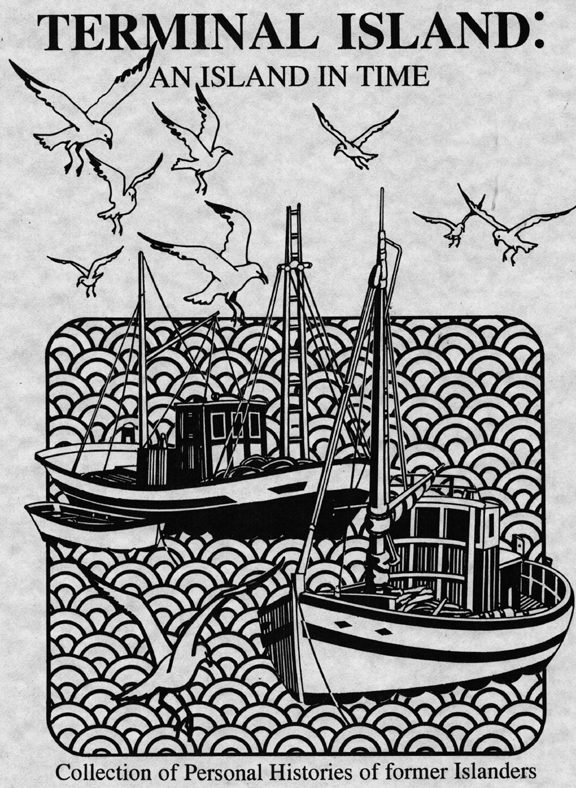
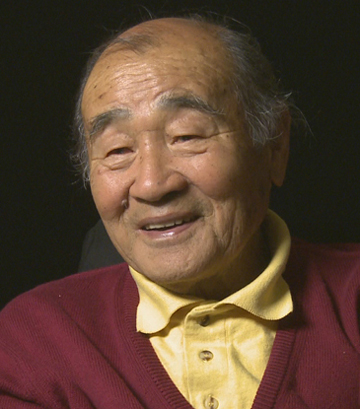
Charlie O. Hamasaki: An excerpt from the Terminal Island series.
Interviewed by Toshiro Izumi
March 2, 1994
Transcribed by Mary Tamura
Where were you born?
I was born on Oct. 7, 1922, Wakayama-ken, Shimotara, Japan. But there’s a catch to it, like I was telling you. I was made over here in March, 1922 in mama’s stomach and then we took our family to Japan—my brothers and sister. My mother and father they left them there because of the hardship that they were going to have when they came back. I was still in mama’s stomach. Then my older brother got measles so she overstayed in Japan for a month. During that time I was born. So I was born in Japan but actually I was made over here. If I go to court, I’d probably win that case. Now if you kill a fetus, it’s considered murder today. So April I came back when I was one or two months old I came here to Terminal Island, California.
Can I get your brothers’ and sisters’ names?
My oldest sister Emiko, next is brother Tamikazu, next Futomi, next sister Shizuka, brother Uzuhiko and I’m the last one in the family.
You said you were one month when your mother brought you back to the U.S. Actually, you had no educational background in Japan.
Yes, that’s right.
What can you recall about Terminal Island—earliest time?
You know at two or three years old, nobody is going to remember nothing, you know. Actually the first thing I remember is kindergarten. My teachers’ names were Ms. Burbank and Ms. Overstreet. Two teachers. The thing I recall the most, me and my buddy, Tetsuya Ryono. He and I was one of the rowdy kind of kid. She always use to put us under the piano while they were playing the piano. We were put under the piano. We talked too much. One day, me and Tetsuya said, “We gotta do something about this. Hey, Tetsuya, why don’t you bite one side of the teacher’s leg and I bite on the other side.” So that’s what we did. “One, two, three, go!” We bite one time. Man, you ought to see the teacher scream. She jumped up and you know what she did? She took us to the bathroom and put soap in our mouth! That’s the one thing I recall when I was little boy, little brat. The report card those day use to have gold stars—five gold stars means you’re A plus. When we got our report card we had silver star—one only. I can still remember that.
Aside from that incident, what was your childhood like, at home, at school playground?
I can remember my childhood days because like other families had lots of brothers and sisters. Like I said earlier, my mother and father left the kids in Japan so when I came back I was by myself. I was a lonely, little kid. If I recall, Terminal Island was a community that we all knew each other. So I use to have a lots of playmates so I wasn’t too lonely. But night time I was lonely and scared because my father was out fishing, my mother was working at cannery and I hardly see them and I couldn’t go home to sleep after seeing especially a scary movie. I use to go to the cannery where my mother was working. I use to sleep in the empty, big boxes which the tin cans use to come in. I use to sleep until my mother finished the job. Then I’d come home and sleep. That’s the loneliest part of my childhood life. But during the day time or night time we’d have lot of fun cuz there were lots of kids playing around. But that’s when I missed my brothers and sisters.
Briefly, what was your educational background in U.S.?
Walizar or East San Pedro was the grammar school, Richard Dana Junior High School and San Pedro High School and I graduated in 1941, right before the war. After that I went to Military Intelligence Service (M.I.S.). I went in 1948 to Los Angeles Technical Junior College where I learned a trade. Actually I had a four years college education coming to me through the G.I. Bill of Rights. But I’m a “blue collar” type of guy. That’s why I learned the automotive business which is body and fender work.
While you were in Terminal Island did you go to Japanese School? Baptist Church?
Speaking of churches, we had two churches—one Buddhist and Christian, Baptist Church. But to me I like story that Miss Swanson, our teacher use to tell when we were little boys—the story of Jesus Christ. Fascinating. So I stuck to Christian, Baptist Church. Meanwhile, I was one of the first guy to be baptized. I volunteered. Cuz I feel sorry for Miss Swanson. They wanted to baptize a lot of guys but they say, “I don’t want to take a bath.” But I got baptized there.
We had two Japanese schools. One was Sokei Gakuen (Buddhist) and Seisno Gakuen (Christian). We attended two hours after school Monday through Friday but actually we weren’t too interested in learning Japanese and I wasn’t a studious guy anyway.
Some of the activities you had after school… Did you play marbles, go fishing, or what did you do?
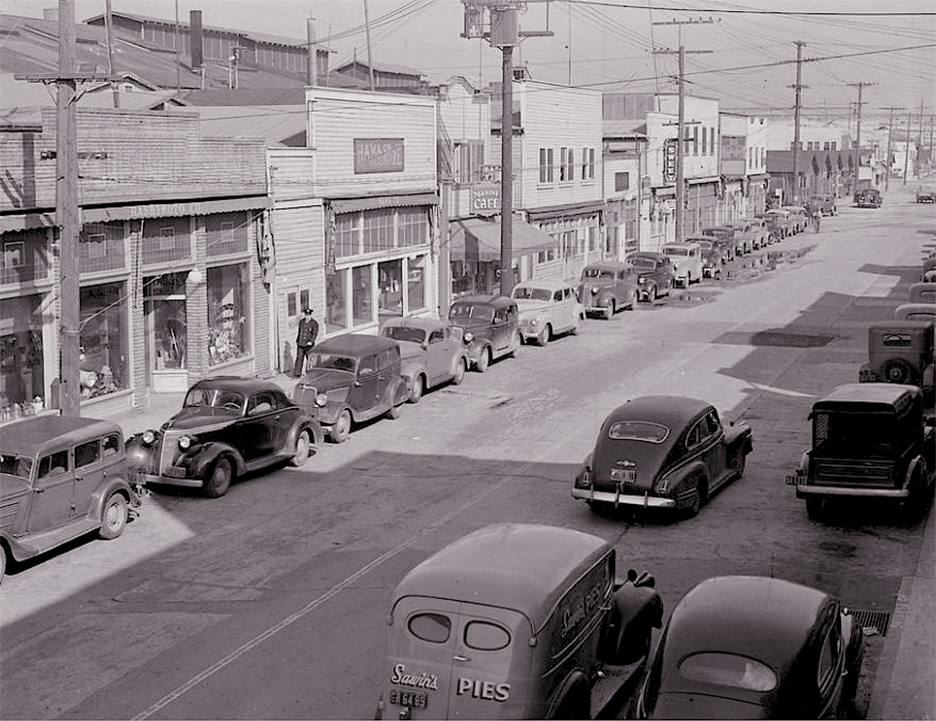
Terminal Island many a time, you can’t beat that community of people like Terminal Island. There were so many young people running around so we organized something like the Olympic Games. Tuna Street people had their own team, Cannery Street people, Albacore Street people had another one, and Hokkaido area another team and we use to organize games. We had like Olympic games—all different types and on top of that had one of the best kendo team, a judo team and swimming team, baseball team. We took everything. It use to be J.A.U. long time ago. I don’t want to brag about it but Terminal Island we had more to pick from. That’s why we had better athlete than any other community in California. We won so many championships! You name it, we took everything. One thing we’re proud of. And when we were growing up, we use to play marbles. And Marble King was my buddy, Bill Nakasaki. He passed away. He was a champion marble player. He used to challenge everybody with dirty apron pant we use to call it. Wore no shoes and hole in trouser and walk around with full of marbles in the pocket. He use to challenge everybody and clean us all the time. That was a lot of fun. We use to play “Kick the Can,” “Lost and Found,” cowboy games and I forgot others. To me, Terminal Island was a fascinating, fantastic dreamland, I call it. “Enchanted Island” like I said before. We had everything. We could go to the mountain which is not too far; we had the ocean, all to ourselves—ocean and the beach and camping ground without any advisors. If we had advisors, we would have had more fun probably. But when I reached junior high, I joined the YMCA and that was something I never experienced. I went to Mt. Baldy camp, snow hike, Sequoia National Park trip and few other places. One thing I regret today, my mother did not let me into the Boy Scout because we had to pay $10.00 dues. I think we never had that ten bucks. Man, ten bucks. That’s why Terminal Island was real good!
At San Pedro High School, what was your major?
At San Pedro High, my major was automotive. I took industrial courses. I learned auto mechanic courses and I was a one of the hot-rod guy. I use to put in the Model A, a V 8 engine. That’s what we called a V 8 engine and we use to race in the home made racing ground at First Beach and Brighton Beach so I was interested in automotive at that time. Actually I didn’t learn too much cuz we use to fool around too much. They use to call us the “P” boys cuz teacher named us that because we use to pray a lot.
Did you participate in any High School sports?
Yes. I had Letters in three years of football and three years of track, two years of varsity swimming. I don’t want to brag but I came in last in the city final. Out of ten guys, I was the last guy. But I represented the Marine League. But we were the weakest.
I often heard you were never without spending money while going to High School. How did you earn the money?
I don’t want to go into detail because there might be a bad story in it but the good part, I worked my butt too like anybody else. We use to ditch high school and work in the cannery during flu season. You know when you get the flu, you get to stay home. So before we get to school we use to put the thermometer by the steam heater, warm it up and then put it in the mouth so the temperature went up. We use to give it to the doctor and he let us go. So when we come home, we use to work in the cannery, cutting the fish or gerring the fish duck. And we use to get twenty-five cents a can. So in one hour we made $1.00. That’s one thing. Another thing I use to skin dive off Palos Verdes and get couple of sack of abalone and sell them twenty-five cents a piece at Dominguez Hills, Lomita, Narbonne, Gardena, Torrance. All where the Japanese farmers were. So I use to go with my mother and sell abalone for twenty-five cents a piece. Then I didn’t know any rules and regulations, Fish & Games. We didn’t know what Fish & Games was. So I made my money. During the lean times, I use to come and harvest corn, lima bean, top onion at Dominguez Hills. I use to go on the bicycle with four to five guys. I would make fifty cents and come home. There was always money to be made at Terminal Island. So I always had hot-dog money, hamburger money, movie money and maybe date money sometimes and gas money.
I guess you went into fishing after high school or did you do something else?
In 1941 you graduate from high school. What are you going to do? Your father and mother are so poor you don’t get to go to college anywhere. A few guys went to college and even if they graduated, hey, them days… Discrimination. We can’t get no city job. civil service job, firemen job. You can’t work any kind of dealership—discrimination, discriminated. That’s why we all turned to be fisherman, you know. So I told my father and mother let me take a vacation after I graduate. “Hell with you. You go to work right now.” So my father got me a job the next day on the ship making a few bucks. That’s why if you had college education, today, it might help us but at that time, neh, almost impossible. Maybe out of the thirty-five guys that graduated, one went to college but he couldn’t find no job so he came back fishing. Same thing.
Do you recall the boat that you worked on?
Name of the boat. Soon as I graduated from high school, I got on boat called “Aloha.” That’s Kazuo Okuno’s boat. It was a little boat and I didn’t make any money. Then I jumped on “Naruto” mackerel scooping boat and I didn’t make too much money. So, I went on “New Bow”—Kinoshita boat and he was so-so. That boat was little small so I jumped to boat “Mari”—Kadonaka boat and I made few bucks. In 1941 I graduated and sardine season came and during the sardine season I was on the boat “Mari” from September, October, November I made the most money. The first paycheck I ever got was $500.00. Can you imagine that! Then I bought my mother a refrigerator and a stove with an oven. Then the war came so you know what happened after that.
Who was the captain of this boat? How large was the boat?
Kiyoshi Kadonaka. Boat was a seventy-footer and carried eighty tons, maybe.
What was your duties aboard this boat?
I was abakuri (means cork handler). On a net, there’s a sinker and cork. So, I handled the cork part of the net. It’s pursing the net. So that was my duty. And being an apprentice fisherman, you know, your duties included all the dirty work. Wash the dishes, clean up the boat and that’s the beginner’s duties so that’s all we did. That’s the old Issei style. That’s how they start you out.
You went directly into purse seiner fishing then?
Like I said small boat like “Aloha” and “Naruto that was not a pursing boat. That’s what you call lampara—half pursing type of boat.
Then it’s mostly pole fishing?
No, lampara means you pull by hand. You make a circle and pull by hand. Pursing mean you have a ring around on the bottom of the net and you pull the ring with the wrench and you purse the thing up. That’s the difference between the hand pulling and the purser.
During this time, what was some of the most pleasant experience on the boat as a fisherman?
I don’t know whether you call it pleasant or not pleasant, the most feeling, the good feeling you have is actually the bay fishing. Because night fishing is cold and damp and rainy time, it’s miserable fishing. Yet you had to fish. The most pleasant way of fishing was day time, fishing, looking for sardine season. We use to go the Santa Cruz, Dana Point and all the way south to La Jolla. Day fishing was sardine season and that time was the most satisfying fishing when we load up. Boy, when you load up fish, everybody works hard cuz all you see is the money in the net. There’s no lazy fisherman! Everybody has to work together and if someone screwed up, that’s it. You lose the fish. The money is slipping thru your finger. Same thing, we try to work hard and save the fish, then we load up and the coming home—that was the most sensational feeling, I should say. Cuz we know we got it made. The money. The money was there compared to these guys working on the land for $15.00 a week. Hey, I use to make $500.00 a month. That’s why there’s no comparison. That was the most pleasant feeling.
What was the most frightful fishing experience?
Before the war, the most frightful thing I experienced was when the boat, “Cleopatra” my buddy’s boat sank and we were right behind them. They ran into a reef because of the terrific fog that came to that area. At that time, we really had to slow down and you could hear the sound of the wave against the reef or big steam ship’s fog horn and actually we didn’t know where we were going. We don’t have any radar. We had nothing, modern equipment. That part was the most frightful. Otherwise, fishing wasn’t that bad. The money was there. Me, I like fishing—where the money was.
While you were fishing, what was your major catch? Tuna, sardine?
Sardine was the best fishing and we were making the money cuz it was most abundant them days. All over the island. I can’t imagine August, 1941, just before September opening season, I went to Santa Cruz Island and the whole island was surrounded by thousand and thousand tons of fish. You’ll be surprised. You call that akami—means the fish is so thick, close together that it turning water to an certain color. That’s where there’s a lot of fish. The ocean changes color. That’s the experience I look as there’s a lot of fish. That was an amazing thing I’ve seen in the ocean. So much fish in one place. Actually, we fish out sardine by 1952 and it was all gone. Sardine fishing one of the biggest industry, money making commercial fishing. There wasn’t too much tuna during those days. There was tuna but sardine was the major fishing.
Of course, it wasn’t all fishing. You had slack time when you had to do lots of work on the boat, the net and things like that too.
Actually, sardine fishing we worked from September, October, November, December and some part of January That’s five months. During the five months we could fish sardine mostly night-fishing and during September, day fishing. After that, all night fishing. When it comes to night fishing we work only three weeks cuz it’s full moon, once a week in every month. So, when the night is dark you could see the fish better due to the phosphorus in the water. When the fish swim, it makes this color in water and from the mast, you can see where the fish is. So, it was mostly night fishing. So, one week we rest and during rest time we’re working on the boat, mending the net or something. There’s always some kind of work. But at least night time you get to go out wherever you want.
That was your…
Tanoshimi like. Once a week. We look forward to that.
One week at night was your social life, then?
Right.
That’s when some guys went drinking, some guys gambling, etc?
Right, right. At evening, go see the evening girls. Remember we had dances at Terminal Island. Of course, I was only eighteen so you know I still think I’m in high school and we had a lot of high school activities too. Wrong way pillow us guys and we use to join them. That was one thing good about Terminal Island community.
Always something to do?
Always something to do. Some kind of activity. Never a dull moment.
Fishing came to an end with the start of war on December 7. What happened after that?
December 7 when I woke up, went outside, radio everything, got-dam-it, it was war. Naturally you can’t go no place. You can’t fish. All these guys who went fishing December 6, they couldn’t come in. They closed the lighthouse place. They put a net across and they couldn’t come in. All the boat who couldn’t come in. Arrested all the Issei. They took them to detention place in Saugus, California. I still remember. Saugus use to be a Boys’ Camp. They stuck them in there, you know. From December 7 we couldn’t go anyplace. Even the students were stopped then. That’s the thing—unconstitutional comes right there and of course from December 7 to February 2, 1942, we didn’t do nothing. February 2 President Franklin Roosevelt signed the Executive Order 9066. All enemy aliens that’s registered on the fishing license, they got a fishing license from the Fish & Game got arrested. Every one of them. They took us, even me, to Eagle Beach. I went too. They said, “Hey, we got a young one here!” I still remember that. “Get your coat, shoes and everything.” “It’s too hot.” “No, put your coat.” So they took us to immigration in San Pedro and I was the interpreter there. You know who was there? My friend, Jimmie Kasserov, Andy Kasserov. They asked me why the hell I’m doing there. “I’m an enemy alien.” You know, I was an interpreter too there, helping them out. One day you know what I did? I came out of the place. I said, “I’m going home.” “Oh sure, go back. Thanks a lot for helping out.” I was going out. I was sneaking out actually. You know that guy said, “Stop the guy! He don’t belong out there. He belong in here.” Ha! Ha! He caught me so I went back again so from here if I go into detail it will be a long story so I’ll stop here.
You were sent to detention camp, not relocation camp?
I don’t call it detention camp. It was a real prisoner-of-war camp cuz there were German prisoner-of-war with us guys. That’s one of the topic I said in the redress deal.
How many different camps did you go to?
Well, after I came out of North Dakota, they released me. They said I was harmless. They released me so I went to Santa Anita. From Santa Anita to Rowher, Arkansas. From Rowher, they let me out on seasonal furlough. Then I relocated to Minidoka, Topaz and Manzanar. Three camps. Of course to Jerome too. So actually five camps I went, visiting all of them.
You weren’t with your folks then?
Only in Rowher I was. When I went to camp, I’d tell them, “You guys put me out. I have no job so put me up.” So they let me stay one month or something at each camp. When I came to Manzanar, they found out that I was from Rowher and I got folks over there. They kick me out right away. I told them, “Give me at least ten days as I didn’t see my aunt and uncle in Manzanar.” So ten days, then they gave me $60.00. I didn’t have any money so with that $60 they put me out and sent me to Salt Lake City, Utah. When it get into detail, I’ll be talking forever. That’s good enough. Get the high points.
You were out of camp now and you went to Utah. Relocated?
No, I went to Kalamazoo, Michigan. I was the head bus boy, head bar tender. I was head of, head of everything over there. Of course, there was a shortage—man shortage. I use to head the parking lot too. I had a room there, a nice country, beautiful scenic place in Michigan—northern part of Michigan, you know, north-central. That was my first relocation. After that I went every place. You name it. I went to every place. All by myself. Nobody wants to go with me.
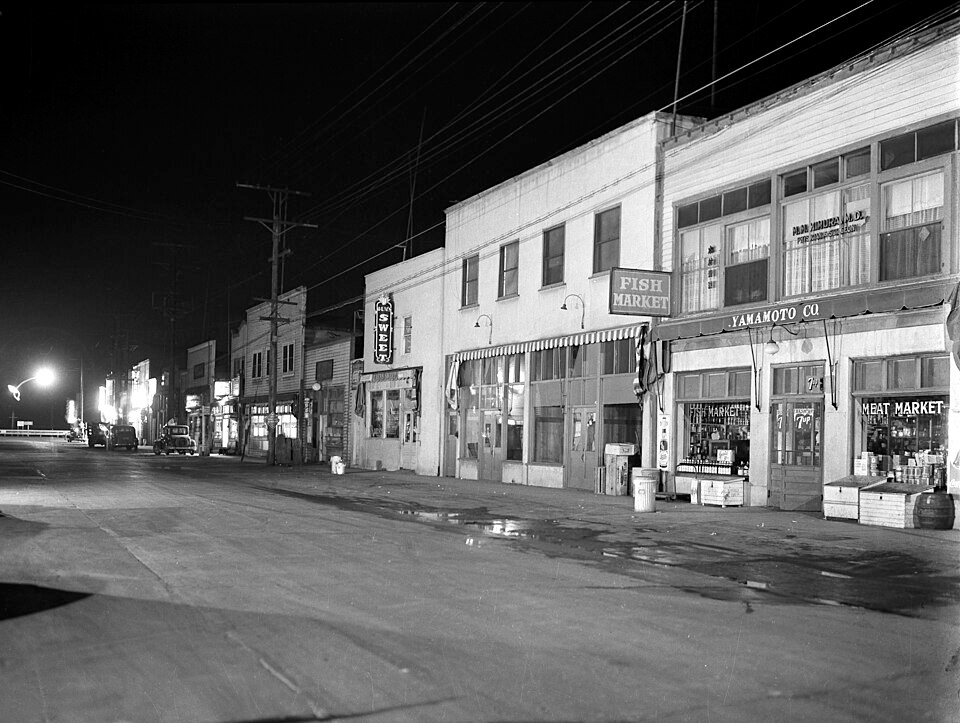
A street scene on Terminal Island, Los Angeles the day after the Pearl Harbor Attack. WIkimedia.
So as a hind-sight, what do you think about your life on Terminal Island?
My life on Terminal Island like I was saying, Terminal Island, even to this day everyone says, “Boy, I wish I was back in Terminal Island!” You never can find a place like Terminal Island. They all say that. Terminal Island, one, big, happy community, people help each other. One thing they talk about chief right now. We didn’t even know what thief was. You don’t have to lock your door or steal anything. You could put your bicycle anyplace, car you don’t have to lock. Man, people know each other, help each other and I don’t know helping each other but everybody know each other. Everybody was brothers and sisters. One big family, I think. You don’t find that kind of community anyplace, I think. I think this place called Hood River similar to Terminal Island. After I read about Hood River I didn’t know there was such a place existed. They don’t know where Terminal Island is. I talked to a lot of people and told them where Terminal Island is. They say where in the hell is that place. They don’t know. Now we write a lot of articles about Terminal Island so now people start finding out. That’s one good thing about Terminal Island I could say. When I went to Cleveland, I was in a room and in the next room was another Terminal Island guy. This guy he heard me talking so he banged on the wall and said, “Who is that? You’re from Terminal Island heh?” I went next door and it was Seiji Hirami. Maybe I didn’t see Terminal Island people for four or five years, maybe ten years or twenty years. There’s no invisible barrier between the Terminal Island people. If I see them fifty years from now, I feel I can just talk as though I didn’t see you for one day. That’s the difference of Terminal Island people. Feeling is there. That’s why Terminal Islanders stick together too much. They say I hear people say when we go to Las Vegas.
Before we go any further, I want to go back to your job as a fisherman. In a normal job, we get paid by the hour, or so much salary. What kind of pay did the fisherman have?
Before the war and after the war, we got the same way of getting paid. Like if there were ten men on a boat, ten men get each share. Out of ten working fishermen, you have to add three shares on the boat. Makes thirteen shares. Now add captain’s share, two shares, per share too. Boat’s owner gets six to seven shares, mast man get one and a half shares, engineer gets one and a half shares, rest of crew get one share. Add them shares all together and divide it. That’s the way it was to work before and we get paid end of the season. End of three weeks of one dark. We talk like dark moon to dark moon and lots of people did not understand us but it’s from one full moon to the next full moon. I think we were making the most money compared to any wage people working on the land – wage people. No, of course there were lean time, good time makes up for the lean time. And during the depression we never seem to suffer any. We always had food on the table. See, that’s the amazing part. When I was in Chicago, we had soup plant. We were eating all the time and we didn’t know what the depression was. We’re lucky.
We’re going forward. You came out of camp and said you went to Kalamazoo. When you return west again did you go back to fishing or what did you do?
No, I went traveling all over. There’s a lot of details but jumping from my first relocation, I traveled all over the country. I went into the service. Two years, mostly at Monterey Presidio (M.I.S.).
What was your duties there?
After I finished the school, I couldn’t go. I had to sign up one more year—extension. You had to have eleven months oversea duties or you can’t go. You had to extend one more month. Then you got to go. So that General asked, “Mr. Hamasaki, you want to go to Japan? You can stay one more year.” One more year! One more year seemed a long time. I didn’t sign up. I told the Lt. Colonel, “See all those fishing boat. My father won’t fight from Southern California. I’m going to fish after I get discharged from the service.” That was in 1948. Then I came to Los Angeles. I got the traveling money. I came from Chicago as I was inducted from Chicago at Fort Sheridan. Then I came here for my basic training at Fort Ord, then to Presidio. Then after I graduated. Then I was the head of that thing over there. The sport arena. [Unable to read name] was one of my helper there. The football player.
This was at the Presidio?
Yes, it was at the Presidio. Man I had a good job there. Man, I didn’t do nothing over there. Cuz I was in a special team, swimming and boxing. I did in M.I.S. Travel all over.
At that time you trained for the Olympic, didn’t you?
Yeah, I represented the Sixth Army in swimming. The first heat, the college guys were too good. Too good, man. That first place they chop me the trophy there.
You’re out of the army now. I hear you had quite an experience fishing in South America.
Boy, South America!
They claim that’s the highlight of your life.
Yeah, I guess you could call it that.
Give us some of the highlights there.
To me, I traveled all the way from Mexico to Guatemala to El Salvador to Honduras to Nicaragua to Costa Rica to Panama to Columbia, Equador and Peru. I went that far all the way up and down for four years, fishing. You know where is the most fascinating country? Costa Rica. Nice, clean, people are friendly. The people and Costa Rica are well known among the Central America nations cuz they don’t have any graft and they do not have revolution and stuff like that.
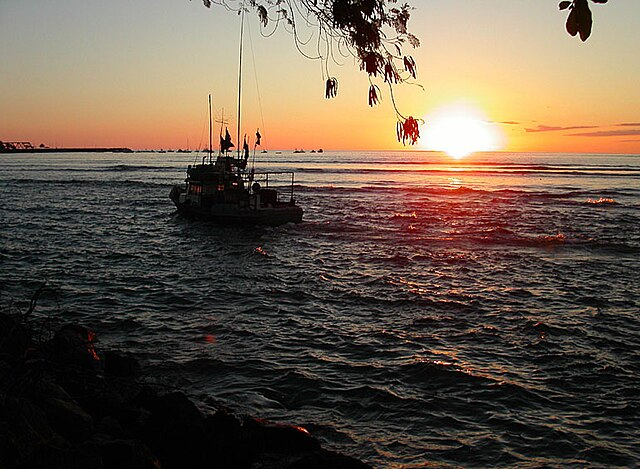
Photo by Gerry Manacsa, November 2002 in WikiMedia.
Costa Rica was one of the best country in Central America. The home port was Puntarenas. That’s the place you know Van Camp Company, Chicken of the Sea. They had cannery over there. There was our home port. So all of the neighbors went to fish the country up and down all the way to Panama to maybe Nicaragua, that area. We use to unload in Costa Rica but otherwise, some other place we set in the Grace Line. You know the Banana boat that goes down the coast. They stop at Panama. They have refrigeration so whatever we catch in Peru or Equador or Columbia we use to come to Panama and wait for the ship. We use to unload the fish and then go out. The most experiencing thing is the crisis at the Church of Cartago and (coca cinder deal?). Those things they have history. Cococinder got big history about the Morgan, the pirate burning the church in Panama and the Panamanians Indians painted the wall all black. They painted that wall. And underneath was pure gold wall. The Church of Panama. That’s the number one church in the whole Western Hemisphere. And the second one, third one is in Mexico and one in Costa Rica. Costa Rica church that’s where the angel suppose to be sitting on the rock. They saw the image of the angel and that’s where they built the Church of Cartago and put the gold. They made a Madonna out of that angel. That Madonna was worth $1 million. It had all the emeralds, jewels and everything. These guys from the United States, New York, I heard they stole that thing. They stole that darn thing. Sold that thing. I was sleeping on the boat and I heard all the noise. Went outside and asked what happened. The whole country is closed. They closed the whole country, business and all. You know what these people did? They all donated their money to the church to make this new thing. And every different part of the country they had their own flag—own town flag. They got their thing, march up that hill to the Church Cartago. They walked. From Costa Rica. From Puntarenas. San Jose is the capital. How many miles from San Jose? I don’t know. Some people walked two days but you can reach over there, you know. I could see from the airplane, I needed to fly. You can go up and come down as Costa Rica is a small country. You should have seen the people. Then I went to the church, under the church, downstair. People go there just like the Japan’s Kan no san—the smoke thing. They’re doing the same thing, washing their feet, injured place, everywhere. I asked what they were doing. They explain it to me it’s the healing power. That one of the thing I bet most of the guys have never seen a real church. A real church like St. Paul, something like that. It’s amazing! It’s beautiful! That’s the first time I saw a church. That’s where the Father ordained my St. Christopher. I still have the St. Christopher. You know what a St. Christopher is? It’s Sea God. Protects the fisherman. I still got it.
You know, I read this article about your trip to Central America in the Rafu Shimpo. I think you talked a lot about the young kids, didn’t you?
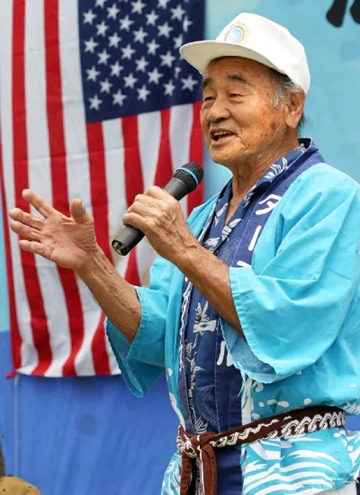
You befriend the kids. I always tell everyone. Treat the young kids good. They always remember you. You know, if you treat the young kids well, they can’t forget you. Maybe if some one was generous to you when you were little, you gonna never forget that guy. You know all these poor guys around here when they say, “Give me a quarter” I always give them a quarter or something but I always say, “Remember I’m a Japanese and I’m giving you this. When you get to be a mayor or governor, remember I gave you this. Will you?” “Oh yes, man. Yeah, yeah, yeah!” I still got the image. I still remember those things. When you treat a guy like Togi. Togi treated me real good. He came on that kinda ship over here on the “Kantai,” training ship from Japan. He became captain of the ship, training vessel. He told me. Saburo Kuramoto say they called him up and he went to meet him and he was the captain of the vessel already. That’s why I say always treat these small, little kids good. I did. You know, I rent an apartment. I sleep over there ten days. This was forty-five years ago I’m talking about. Everything cheap then. Americans are rich so I use to have an apartment to live with somebody. Everytime I come be sure nobody is in there but I let all these poor kids sleep there. Shoeshine boys. I had about a dozen shoeshine boys with me. Everytime they run an errand for me, “Are you hungry?” I use to feed them arroz con pollo. That’s steak, number one steak in Costa Rica. It was cheap though, twenty-five cents. Arroz con pollo. That’s the country’s most popular food. I didn’t know what it was before. When you go to a foreign country, you don’t want to eat nothing. I drink nothing, especially water that kind of place. I always use to drink juice over there so did these little boys. I treat them good. Few of them came to this country. They look me up. Yeah, they came. They still remember. Oh, that was the most amazing thing and they brought me fish. Yeah, they brought me fish and I had the other old lady, heh. The black guy in the harpu(?). Who is that guy who brought the fish? It can’t be that guy I was thinking. By golly, it was that guy! “What the heck are you doing in America?” He was a helper on the boat and was ten or eleven years old and use to wash dishes on our boat. Our captain was a good guy too. He hired those guys to come help every time we needed to feed them all the time—errand boys. We lived in Puntarenas for two months without working, know. I felt like a native over there. That’s why I got to know everybody over there. That’s why before the war, they had four fishing fleets over there, boats from Japan. The Japanese treat the natives good. Not like the shinajins (Chinese). They’re clannish. Japanese fisherman married too and had little kids growing too. Call Hiroshi, Kiyoshi, they come. “Yeah, here’s $1. Go buy something.” One dollar means twelve colon so you get to eat for one week—eat good. Everything was real cheap. Mexico was ten peso to $1. Here twelve colon to $1. You could buy a lot of stuff. I use to bring home bunch of alligator purse and perfumes. I use to go to Panama and free-duty port over there and I use to bring all kinds of things over here. Cheap like hell, everything. That was the good part of it. That’s why I know the whole town. I had all kinds of kids following me around. That’s why they never worked.
Well, that’s one of your highlight then?
I don’t know if you call them highlight but I had lots of fun in that town though. I never had that kind of fun. You know, money talks and I was young. That’s why when you’re old and have money, it’s a different kind of fun again. But when you’re young and have money, baby, you got the town by the finger, man! You can do anything. You even know the mayor and the chief-of-police over there. That’s why you can do anything and get away. Hey, man I never saw any place like that.
You were famous there. Now you were also famous, I guess when the Congressional Committee was here listening to the redress. I heard you were one of the “star” person that testified in front of the Congressional Committee. Give us a little bit of that.
Actually, everybody, you know, were you at the Terminal Island meeting at University Avenue when the Long Beach guy came?
No.
You weren’t there. University of Long Beach, UCLA and USC. They came to me and say, “We need a guy like you.” “Okay” I don’t give a damn. I say, “What do you want me to say? I’ll say anything if you want me to say anything.” They say, “No, we’ll write you something so this is the way you say it at the redress.” This is the redress time now, you know. I went through a lot of stuff. This and that, too much trouble. You gonna end up this and that everything. “How is it going to be?” I told them.
When the time came five at a time we go redress time. And five guys sit in front. One guy finish, then another bunch come and like that. By the time I came on, they gave me the paper to read. I look at it. What the hell is this darn thing I’m saying. One of them, I forgot her name, Sue Embrey, I think said, “Read this.” “Nah. I told you what I’m going to do. I told you guys I’m going to say whatever I want to say, not what you guys want to say.” “Sure?” “Sure. If you don’t like it whatever I want to say why did you call me over up here for?” So when they call my name, you’re suppose to sit down and talk but I like to stand up and talk. I don’t know why. That’s my habit. You know what I did? The committee keep on hearing the same old story, repetitious thing. They’re tired of this thing. “Hey!” I went like this. “Hey!” I went like this. They all jump up like that. Then I put my punch line, “Unconstitutional!” I told them. “Why?” That guy said. Then I went to the story what happened—cruelty to the people, no trial, you get arrested. So I went through all that thing. If I get into detail the story will be long. That’s why I explained it to them all what was wrong. One thing I said that nobody said. Hayakawa was there. I told Mr. Hayakawa, he’s a semanticist. He know how to talk and this and that but he’s not an American citizen and he’s a Canadian. Now that Canadian man got lots of money and everything. But he don’t know the experience that we went through. So if we get $25,000 it’ll be a shame to collect $25,000 from the government. You know what I told him that time? He say, but I say all the audience listening over here are probably going to agree with me because when you put $25,000 cash here and when you take the Japanese pride and put pride over here, Japanese people pride, which will we grab first? One thing I say, other thing is irrelevant but naturally if I was me or you, I’ll take the twenty-five grand and hell with the pride. P R I D E. To hell with it. I put it down. I take the money. All the hardship and trauma we went through we’ll take the money. I say to everybody. I told them that and other things the people didn’t say nothing. There’s other kind of things I said but then I put down the only white lady, the one that fight against the redress, Lillian Baker. I told her. You know what I say about Baker? “Baker, you’re a faker.”
From Washington D.C. they sent me the whole testimony—paper. I still got it somewhere in the house. And when they went to the Washington thing, M.I.S. guy they all went to the Smithsonian Institute, they got all the stuff over there. Remember Minoru Hara? He sent me the whole thing again. Did you see that? So what? He always write letters that guy and send me that kind of thing. Redress time. And then Mr. ______ asked me what I wanted is $25,000. I said, “No. I want $50,000 for what I went through.” Everybody woke up though by that time. I was making all kind of noise. I was yelling and I was like that. I told you I was going to express my feelings. But you know what I found out after that? I got hate letter. These guys they’re smart. They send hate letter to this house. They want me to bitch and cry to the JACL or redress committee and Rafu Shimpo. See, they try to do that, I know. I told these guy, “Hey, see what I told you guys. This kind of thing is going to happen?” Sure enough it happened. See, I knew it already before I went. If you testify strongly, then you’ll get hate letter. I got three of them. “Freedom Avenue” one of them said. “If you don’t like the country, go back where you come from.” That kind of thing they wrote. Yeah man, I knew it. You know what another thing. F.B.I. was on my tail. Did you know that? I never told this to anybody. F.B.I. Do you know what the F.B.I. do? At work they call me, “Are you Charlie Hamasaki?” “Yeah, what do you want?” They didn’t say F.B.I. “We like to make a movie about a person that is Japanese background and these two girls coming back from the East and they want to join you but they get raped or get into certain kind of trouble so that’s why you’re going to be in that thing.” I went couple of times you know to interview. They take me out to dinner and everything and go to the house and talk about the movie script and that. You know what I start thinking? These guys are bull-shitting me. I know. These kinda movie thing or he’s from Canada or he’s from New York, they’re telling me but they said, “Bring a picture of you.” What are you going to do with the picture? Where are you doing something. So they want this is me. Shinnenkai song I was singing, that kind. I sent it to you.
They were testing me out. Yeah, I went through the whole script just The Karate Kid. That was the same plot it was. Amazing, man, I didn’t tell anybody that because nobody is going to believe me. I went to high-tone restaurant with them too. These three guys. They came to check me out—whether I was an activist or not. See, they came to check me out and because I did that some guy say, “We need a guy like you. Why don’t you come work for us?” They told me that. I didn’t get mad. What the hell did I want to get involved for? Like I said from the beginning this is the way it’s going to be and it got that way. These college students guys smart in books and stuff like that but they’re not smart in street language. That’s the difference between the college guy and me. Yeah, that’s a lot of difference. Experience it, everything in life. So you meet all different kind of people. You learn a lot of darn things. So you gotta know who to talk to smart people, mediocre people and bums. You know you have to be versatile.
What eventually came from the script they were trying?
That was it. They found out I was a regular guy. That’s what I thought. And that was it. They forgot and dropped everything. After that I never heard from them. They just drop “Bump,” just like that. “I don’t want to disrupt your family life and work and everything.” They start talking like that. To me it was bull-shit. It was a check up. You remember, sure, movie star, Hula Hula and dumb goddamn, what do you think I am! Those young punks, they think I don’t know nothing. If you lead certain type of life you find out about these things. A guy who is in too much books they’re the most dumbest guy. They’re smart in book only. They’re not knowledgeable in lot of things. That’s why I’m glad I fool around here and there and everywhere and learned a lot of thing, good things and bad things. You gotta learn the bad thing then you know what’s good and bad. No sense learning everything good. You gotta learn the bad things too. That’s why oya baka comes out.
So even from Terminal Island after you left Terminal Island you had quite a colorful life, heh?
To me, I tell you. I always tell everybody I don’t care if I die because I led a ten men’s life. I tell them. You know, I led a ten men’s life so I think I did everything possible that I want to do. But I want to see the world one time. I was thinking the older you get you don’t wanna go no place. That’s why I was lucky I did everything myself without anybody coming with me. That’s one thing I regret. I didn’t have no partner to go around every place. I did everything by myself. No body wanted to do anything. They were scared, especially during the war time. They don’t want to go no place. But I remember when I was in Bismark, North Dakota, one old man told me, “When you’re young, do everything possible.” He said. “Or you’ll never regret it if you do everything. And when you get old and if you didn’t do it, then you’ll never know what was good.” It’s too late already. That why my philosophy in life, have fun and do anything you want. That way you won’t regret it afterwards. With experience, I think. I don’t regret nothing. Man, that’s why I’m satisfied today. I’m real satisfied I did, even if I’m not rich or anything. Yeah, sometimes I don’t envy these rich guys. You know I envy, but I envy myself. You do everything you want then you’re free. You’re never tied down. Lots of guys are tied down, one chain is tied down to the house. Lots of guys like that. Real free, yeah, do anything, enjoy your life. One guy told me when you’re dead you be dead for eons. Thousands and thousands of years, you know. When you’re alive you got only thirty years of good time. Its even the thirty years is kinda too long. Cuz up to ten years old you don’t know nothing. From ten to maybe thirty years, you enjoy a little bit. From thirty to forty you enjoy the most. So enjoy the most. Cuz when you’re dead, you’re dead for a thousand year. So out of all this million year this world existed, heh, what’s twenty years of your life? That’s a real short boot. Just a snap on your finger and your life is gone. So you gotta squash everything into this years that’s most important thing, I think. My mom use to say that. That’s why I try to put everything inside. Man, there’s a lot of bad thing involved too. But there’s a lot of good things involved too. If I say about the bad thing, the story grow more. Exciting things I should say.
Well, you got anything to add on about the state Terminal Island or your life? You gave us a lot of your…
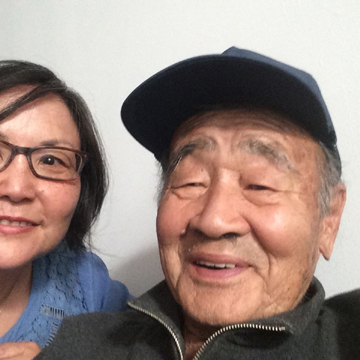
Number one. I love Terminal Island. Lots of other guys do too. Lot of guys my age or maybe five years younger than I am or five to ten years older. That’s the center nucleus of the Terminal Island life. That’s the guy that really know Terminal Island not the guys that was ten years below cuz they don’t have too much to talk about. They don’t have lots of things cuz they see just their family. Like us guys we know we live over there nineteen years so we just remember maybe fifteen years of Terminal Island which is real short but Terminal Island people still, we even today, stick together. Amazing parr of thing.
We don’t seem to have the trouble in our organization. That’s why I think, we get along real good. Whenever we have problem we gotta speak up. Cuz I remember one time we had a meeting at Kyoto Sukiyaki and I was telling those guys, “Hey, you guys community this and that you’re getting something but you know, what’s going to happen. You gotta get a lawyer afterward. Because you got few technical kinda things.” Sure enough it happened.
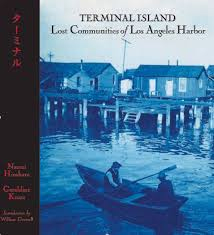
When you collect money here and there where is the money going to go? You gotta put it in the bank and take that tax thing and all that. That’s the way it got. I told them. This was long time ago. See, I think about those thing. Terminal Island, I’m glad we had these guys who put all their effort into Terminal Island organization. If it wasn’t for these guys, it would be nothing.
Pretty soon everything’s going to die away. Eventually, it’s going to die away. Eventually. Cuz these other Sansei and Yonsei they aren’t going to take interest. Cuz we gotta have something left over, for to talk about. “Once upon a time there was a community like Terminal Island” We won’t let it die. Just simply just die. We gotta leave some legacy or thing like that.
That’s the thing. Even today I say, all these Terminal Islanders when I married first time I took my wife over there. “This is the place where I grew up—almost born and raised” and I took my present wife over there too. I’m not the only one that’s doing that. There’s whole bunch of other guys doing that same thing. Nostalgia. They just go and just look around, smell the smelly air or whatever, which got lots of vitamin cuz it comes from fish smell—vitamin E.
I say lots of time the air. The air is not smog air. It’s vitamin air coming from the fish smell. But that was one good community.
Even today the old Issei that’s left over, “Gee, nothing like Terminal Island.” They all say that. They all say that. There gotta be some meaning to that. Even today, they all think like that. What the hell.
Well, I’m glad actually there was a war cuz if it wasn’t for the war, we’d still probably live in Terminal Island maybe, leading a simple life. Now we’re more educated. We know what the hell outside look like now. If it wasn’t for the war, you would have never made your life. You would have never met her.
Look at all these Imperial Valley guys. They had to live in a hot place in Imperial Valley. Do you think they want to go back? Nah. No because of the war, we have reunions, we have parties and things like that. If it wasn’t for the war, it’ll be boring. See, we don’t have this redress.
This war became for all different people to mingle and know each other and find out about each other—from Washington all the way to Arizona. So actually the war did the Japanese American a great favor. That’s what I say one time when I made a speech at Cultural Center. I told in front of lots of people what the war meant.
Now getting back to Terminal Island, I had lots of people fascinated by Terminal Island that they had a place like that. They can’t believe it. All my neighbors from all different place, they don’t know. That’s why Terminal Island people got lots of friends.
You gotta treasure your friends. Even you got your brothers and sisters but your friends are real important too, you know. If you have no friend, you’re a lost soul.
Even after sixty years, heh?
Sure. Sixty years of friends. They tell me to join this club, that club around our neighborhood. Be friendly with your neighbor and go out with your neighbor and do a lot of things with them. Hey, if I do that I don’t got any time for my other friends.
So that’s why I’m just sociable with my neighbor and around Seinan community. But actually whenever Terminal Island get together or something, that’s number one on my list. My agenda number one is Terminal Island activity. That’s one thing. I’m not the only one that feel that way. Lots of guys feel that way—just like me. Of course everybody not like me. There’s few once-in-a-while kind. Some ninety percent they don’t come. Some of them one hundred percent don’t want to mingle no more. Too much trouble for them.
Actually deep in their soul, I bet, one of these day they’re going to say, “I’m going to come to the picnic or thing like that to meet my old friends.” And few of them are doing that. That’s the difference.
They still want to remember their childhood. They still want to remember their childhood. That’s why when they see their old friends, they get tears in their eyes. I know cuz I can tell by looking. They’re happy. They’re happy.
They have to treasure that one thing. It’s amazing. It’s not friends you made couple of years ago and this friendship have to treasure for the rest of your life kind. It follows you any place. That’s how it is.
That’s why you can talk to Terminal Islanders. You go cut them down or anything, they don’t get mad. You talk like this to somebody you just met, they don’t speak to you until you die.
That’s what I call Terminal Islander. The real Terminal Islander. Whoever listening to this thing, it’s coming from the bottom of my heart.
O.K. Charlie, that was wonderful! Charlie was known as, I guess, one of the most colorful character, I shouldn’t say character but personality that came out of Terminal Island. And as Japanese would say, he’s like a green bamboo.
When you split a green bamboo, it splits right down the center, straight and that’s what our friend here is—a straight person that doesn’t hold anything back, with a golden heart. Thank you!
That’s a compliment.
As an after thought, Charlie has one to two more items he wants to put into this tape.
Listening to my, I don’t call it essay, anything like that. Listening to my interview, a lot of people gotta think what kind of English is this guy talking about. He got an education from kindergarten all the way to Technical Junior College, I went to Los Angeles Technical. That’s me.
This guy’s English—what kind of English is this? He sounds like a Kibei, sounds maybe Hawaiian, a Japanese but he got certain kind of accent. Well, let me tell you from the basic standpoint.
The thing is, the school was ninety-nine percent Japanese and one percent Caucasian so we all talk Japanese until the sixth grade. We talk nothing but Japanese. This Russian-Caucasian they knew only how to talk Russian and Japanese. They were fluent in Japanese.
When we went to junior high school, we all got taken into this auditorium. You know, what the teacher says, “Since you’re here in San Pedro Junior High School you all have to learn how to talk English.” That’s how bad we were.
See that’s where my English came out. Out of this Japanese accent, a certain type of Japanese accent, we turn into English. That’s why there’s certain English accent have Japanese accent or Terminal Island accent I should say.
So when we went to camp, lot of Nisei young girls and guys say, “Look at all the Kibei group.” That was us. They thought we was educated in Japan. Came just up the boat. No, I tell them.
I explained to few people but I been explaining it over and over. I got tired of explaining so I finally say, “We’re all Kibei.” We told them. Then they understood. But actually, we weren’t.
The way we talk it’s similar to each other but one or few of them talk pretty good but most of them talk like me. Maybe a little bit better.
That’s a point I want to say because of this interview you might think this guy is from Japan. He don’t know nothing. That’s the way. So I hope you people understand, whoever listens. Thank you!
Note: Charles Oihe Hamasaki passed away peacefully on Thursday, August 30th at the age of 95.