Story by Kim and TBoy staff. Photos by Scott and Kim Green

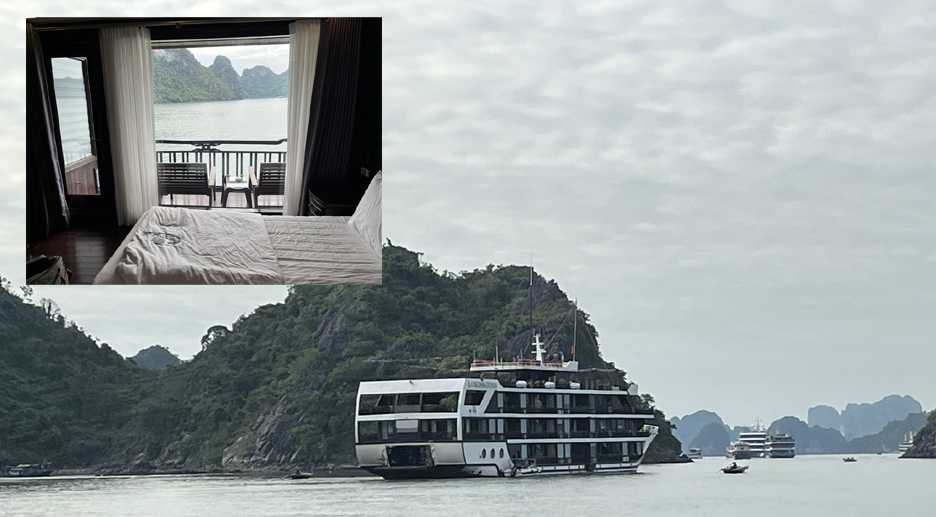
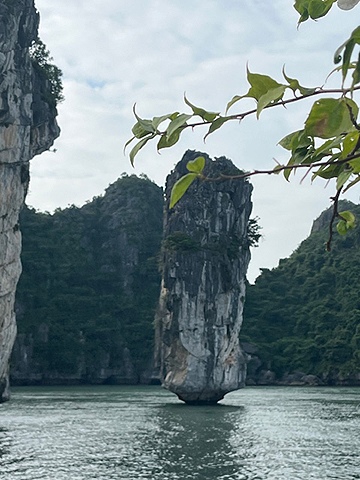
Vietnam is a captivating country where ancient natural wonders blend seamlessly with vibrant urban energy and a remarkable story of resilience.
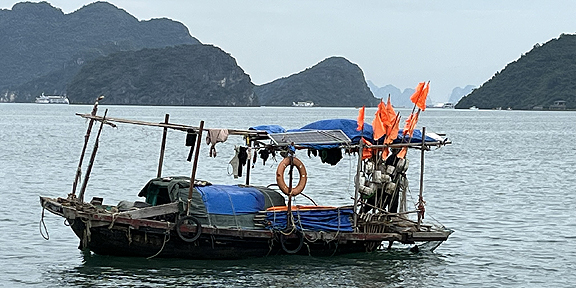
One of its most iconic natural features is the stunning limestone islands of Hạ Long Bay, a UNESCO World Heritage Site in the northeast. These thousands of dramatic, stand-alone karst formations—rising dramatically from emerald waters like ancient stone sentinels—are the result of millions of years of geological processes. Topped with lush vegetation and often hollowed into vast caves, they create a surreal seascape that feels otherworldly.
In the bustling cities, vibrant marketplaces pulse with life and draw crowds with endless stalls selling everything from fresh produce and spices to clothing, souvenirs, and handicrafts. Vendors’ calls mix with the aromas of exotic fruits and grilled meats, offering a sensory immersion into daily Vietnamese commerce. One interesting practice was streets of similar shops, e.g., meat grinder street, electronics street, produce street. Not sure if that’s a Communist practice or something else.
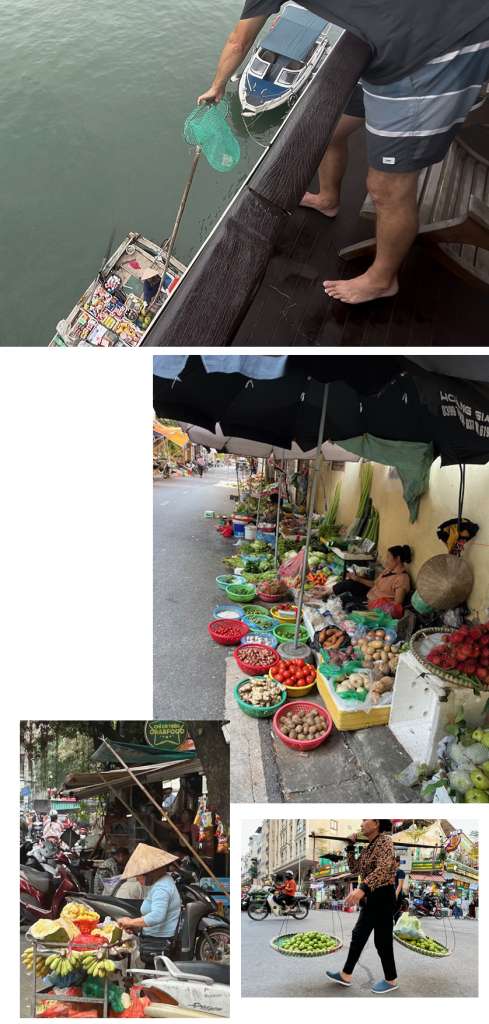
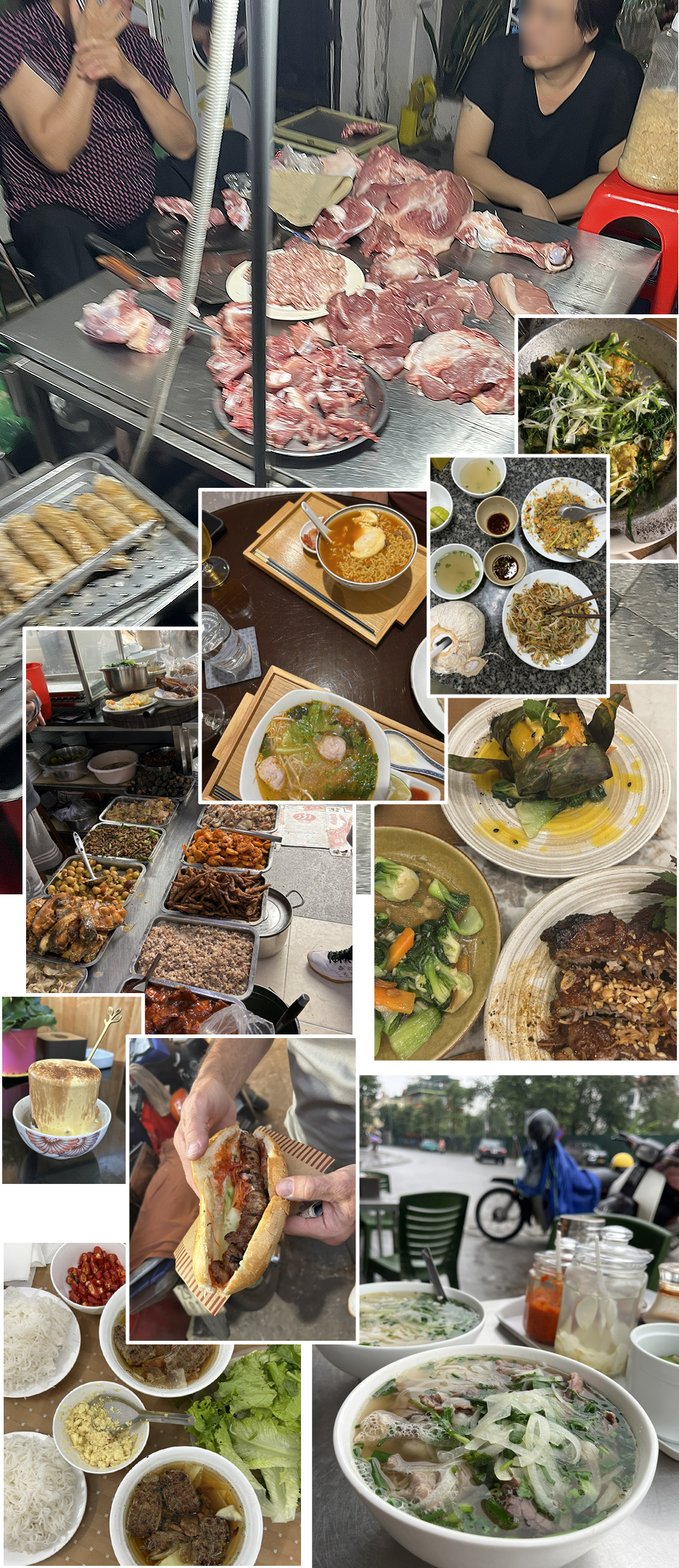
No visit is complete without sampling the legendary street food, a highlight of Vietnam’s culinary scene. Favorites include steaming bowls of phở (aromatic noodle soup with beef or chicken), crispy bánh mì sandwiches layered with pâté, pickled vegetables, and herbs, fresh gỏi cuốn (spring rolls), and smoky grilled bun cha (pork patties with noodles). Eaten at roadside stalls or tiny plastic tables, these affordable, flavorful dishes showcase the balance of fresh herbs, bold spices, and comforting broths that define Vietnamese cuisine.
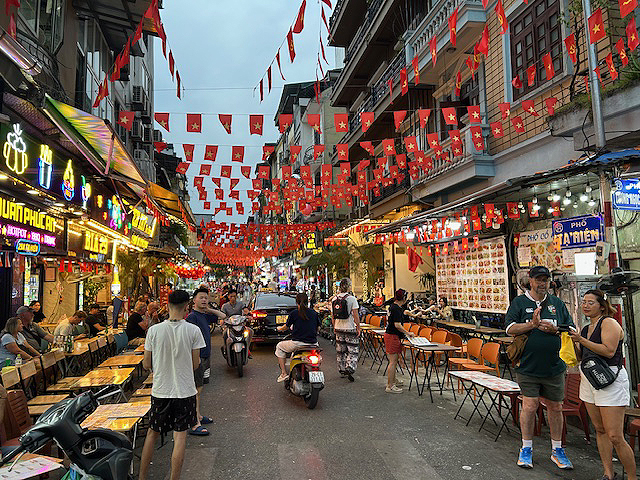
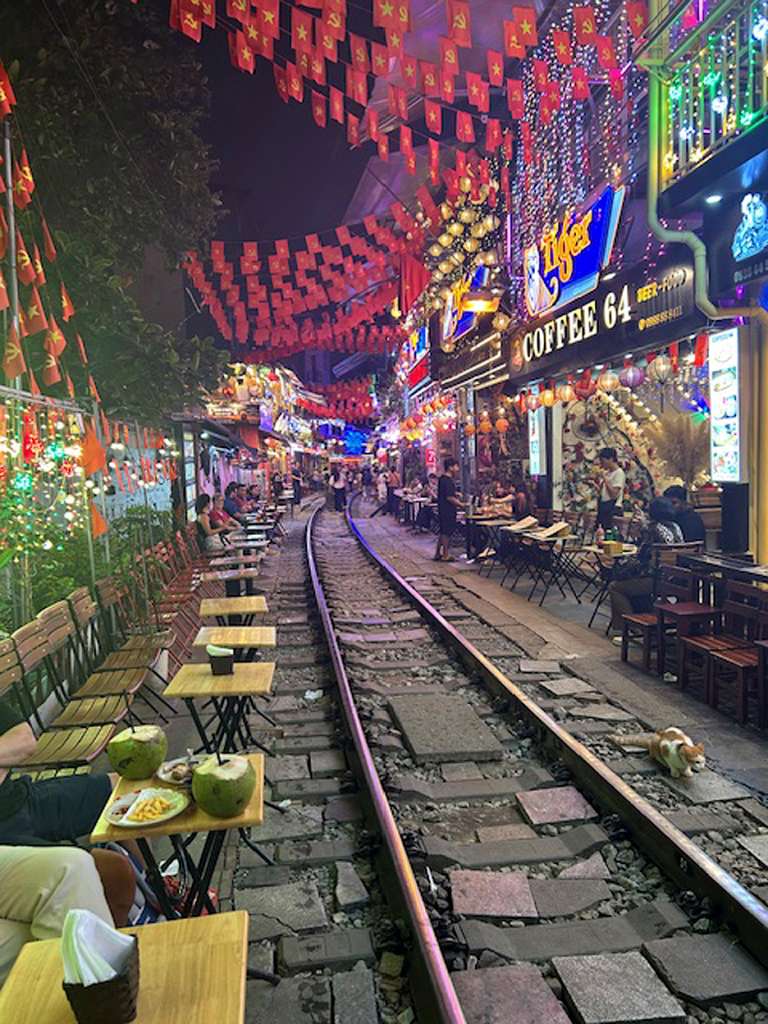
Adding to the dynamic atmosphere are the many motorcycles that dominate the streets, especially in Hanoi. Millions of scooters weave through traffic in an organized chaos—horns beeping, riders balancing impossible loads—creating a symphony of motion that has become synonymous with urban Vietnam. They offer an affordable, nimble way to navigate the cities, turning rush hour into a mesmerizing ballet on two wheels.
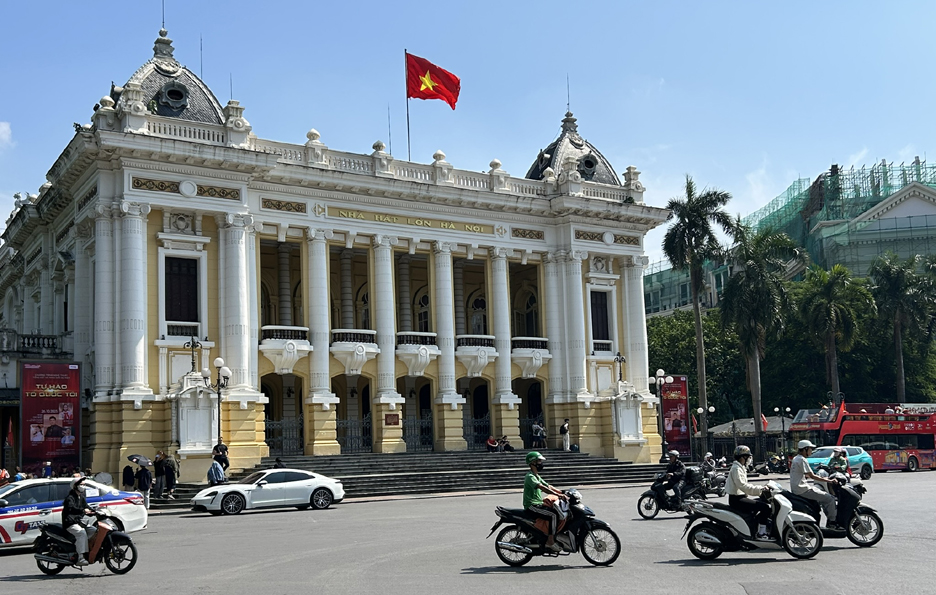
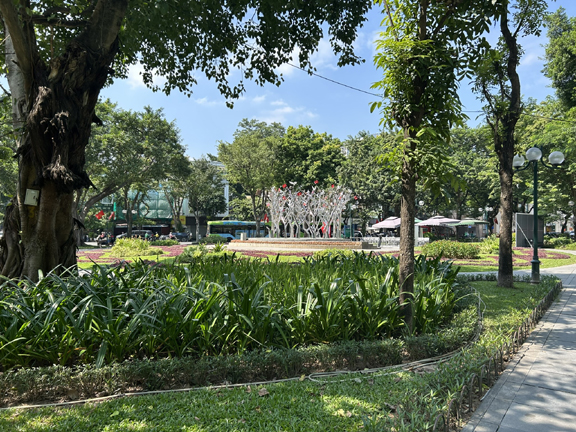
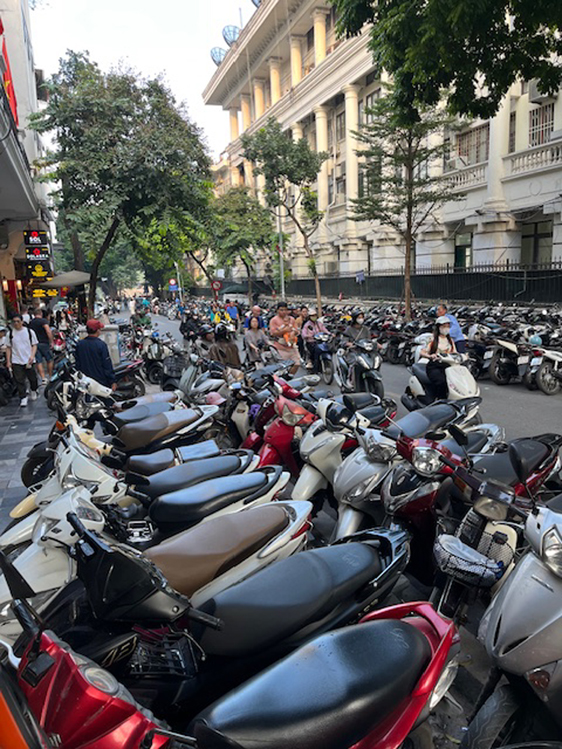
Hanoi and Ha Long Bay are beautiful places to visit, to learn, and to experience. This culture, held onto tightly, yet influenced by French missionaries and colonialism and the American War years, is welcoming and thriving. The path of history is evident just walking down the streets. Rows of long skinny, cluttered shops are broken by colonial style civic buildings, temples, and stark, 70s style office buildings. The ever present shade trees speak to the natural wonders experienced more on the drive to Ha Long Bay. The stunning visuals and calm waters there are a welcome respite after the bustle of the city. North Vietnam is one of the best places to experience the ingenuity and resilience of a people and the glory of creation.
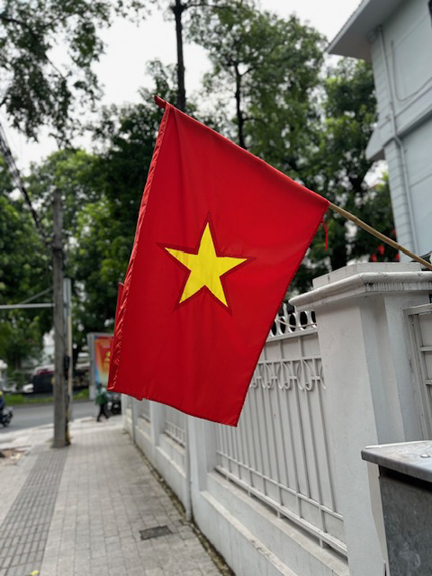
Vietnam invites travelers to experience its contrasts: serene natural beauty, chaotic urban vitality, mouthwatering flavors, and an unbreakable spirit of renewal.