When Dan and Betty Everett’s children said they would like to see animals, their parents knew exactly what to do. They recently had taken their youngsters to the zoo in Indianapolis, which the family was visiting, and wished to give them a different experience. Soon, every member of the family was thrilled as they watched several deer grazing on shrubs, and spotted a bald eagle looking back at them from its perch on a high tree branch.
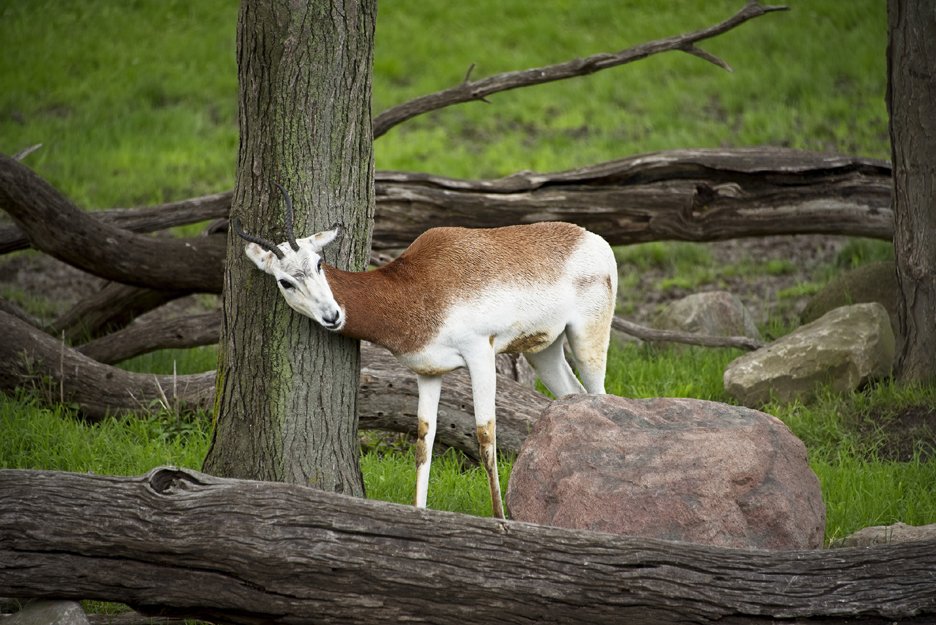
What made this wildlife watching excursion different from most was that the creatures were not in cages or other enclosures. They were free to wander throughout or, for the eagle, above the city as they wished.
This kind of up-close-and-personal encounter with animals in cities and towns is increasingly common. Various species of wildlife are moving into urban areas and providing new opportunities for people to meet and mingle with them. Both residents of many municipalities and people visiting may wish to look for places where they can observe birds and bears, seals and sea lions, and many other furry and feathered friends.
A number of reasons are prompting animals to leave their natural habitats and venture closer to where humans live, work and play. Global warming is denigrating and destroying natural habits. As cities take steps to grow more environmentally friendly and greener, they’re becoming increasingly attractive to wildlife. At the same time, garbage cans, dumpsters and other receptacles for food scraps provide convenient feasts for interlopers from forests and tree perches.
One wily fox was found living on the 72nd floor of an unfinished skyscraper, where it survived on workers’ discarded food scraps. That source of nourishment also is used by coyotes hanging out in Chicago’s downtown Loop area. So urbanized have some of these dog-like mammals become that they have been seen crossing streets in busy traffic after pausing at the red light and looking both ways before setting out.
If crossing a street next to a cunning coyote sounds unnerving, it can’t compare in terms of fear with the sight of a bear ambling across a busy city intersection. That’s what visitors to Seattle, Washington, recently saw, along with views of another bear emerging from its hibernation sleep that was strolling near a garden and a hungry cub pawing at a bird feeder. So many sightings have been reported there that the Seattle Times newspaper ran a story titled “How to stay safe with bear sightings back in the Seattle area.”
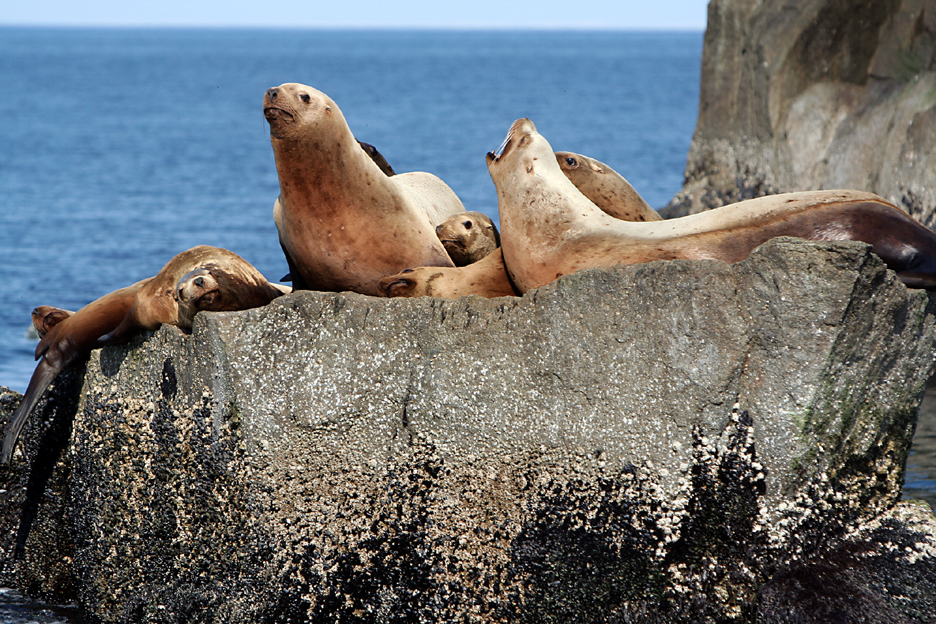
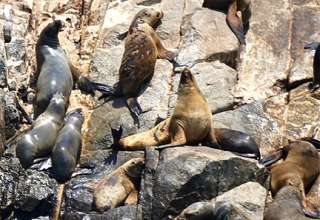
Seattle, like much of this country’s Pacific Ocean coastline, also is a favorite hangout of harbor seals and sea lions, and they are getting increasingly comfortable hobnobbing with their two-legged cousins. A group of sea lions recently took over the dock of a waterfront house and another colony (as it’s known) occupied a breakwater. They entertain, and at times distract, observers with their loud barks, growls and grunts.
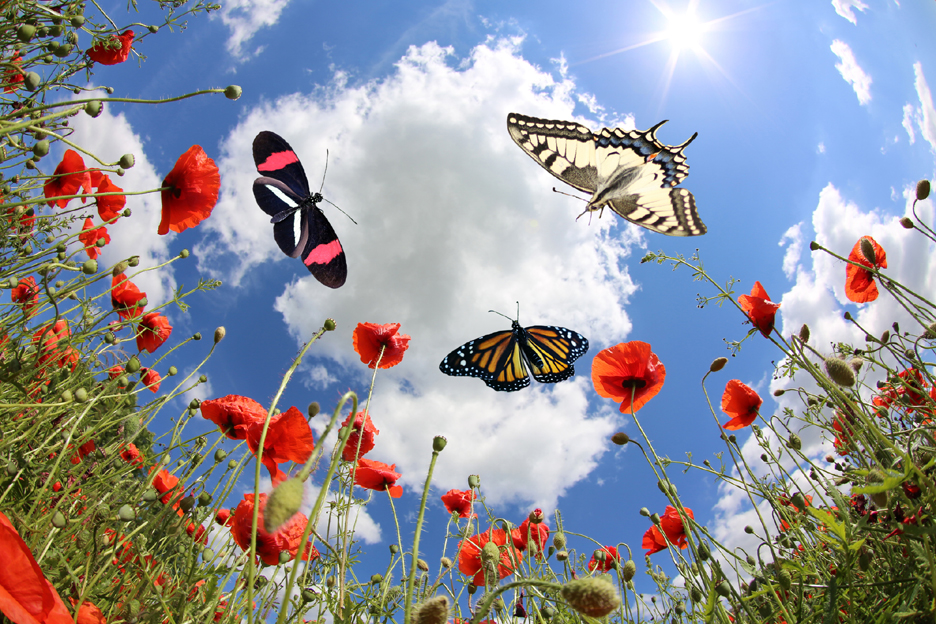
Visitors to some destinations are enchanted by much smaller and quieter examples of wildlife. Even if they’re used to seeing butterflies where they live, perhaps even in their own garden, sightings of new strains of these colorful creatures, or seeing them in mass formation, can provide a new thrill. Some cities sponsor programs intended to attract, and support, those appealing winged insects.
Among cities where sightseers benefit from the work of resident volunteers who help to protect butterflies are Cincinnati, Ohio and Austin, Texas, which has the most National Wildlife Federation-recognized Certified Wildlife Habitats (2,616) in the United States. Like Austin, Charlotte, North Carolina is located on a migration route, which the popular black, orange and white monarch butterflies follow for thousands of miles each fall in the East to Florida and Mexico, and in the West to southern California, returning the following spring.
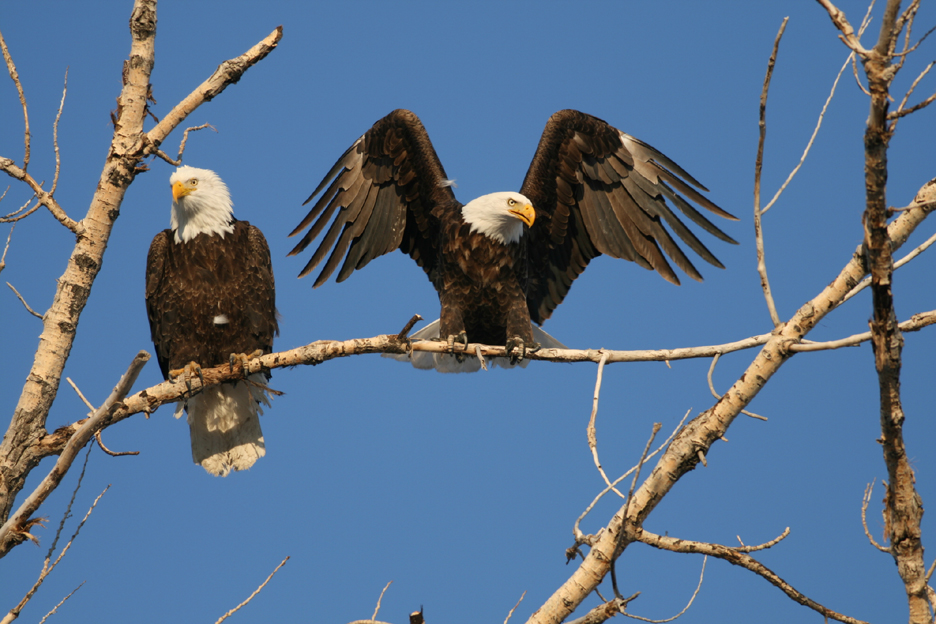
Many species of birds also migrate seasonally and visitors to places along their path may enjoy an aerial display. Birdwatchers in, and visitors to, Cincinnati may train their eyes and binoculars on cardinals, herons, bald eagles and other winged residents.
Central Park in New York City is located along the Atlantic Flyway. When they’re not taking in the city’s other attractions, visitors may look for some of the more than 210 bird species that live in or stop by that enclave to rest and feed.
President Theodore Roosevelt was a dedicated conservationist who helped to establish national parks and forests, so it’s fitting that an island in the Potomac River as it flows past the Nation’s Capital is named for him. The 88-acre enclave was designed to mimic the forest that once covered the land, and “Teddy” is honored by a statue of him.
The former president would be pleased that his island is a major stopping place for migratory birds drawn by the safe haven it provides. More than 120 species have been identified, ranging in size from the tiny eastern winter wren, which has been described as a minuscule plump round ball, to osprey that can reach two feet in length and bald eagles which are as large as three feet.
Whether you’re visiting a major tourist could city like Washington or New York, or a small town in the middle of the country, it’s likely that a surprising variety of wildlife is sharing the destination with you. Checking with a resident, or the local tourism office, can provide an opportunity to meet and mingle with some of Mother Nature’s most intriguing creastures.
























Sharon
December 5, 2025 at 7:26 pm
Thanks for pointing out the animals. I’m an animal lover. I have a liter of cats.
Ted
December 5, 2025 at 7:28 pm
Some of those animals have been overpopulated. They should be removed from the endangered species list.
Steve
December 8, 2025 at 6:30 pm
Victor, I’m not a fan of zoos… but where else can find wildlife in a highly populated big city? In Los Angeles, where I live, people are building closer to nature.
Steve Howl, LA