Story by Richard Carroll. Photography by Halina Kubalski
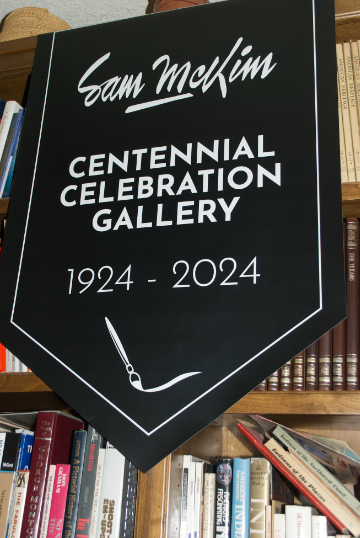
Sam McKim, a renowned artist and Imagineer worked for Walt Disney Studios, Burbank and Walt Disney Imagineering Glendale for 32 years, 12 years directly with Walt, and was honored with a customized memorial plaque window at Anaheim Disneyland, which is the official “Hall of fame” for those who heavily shaped the park’s history.
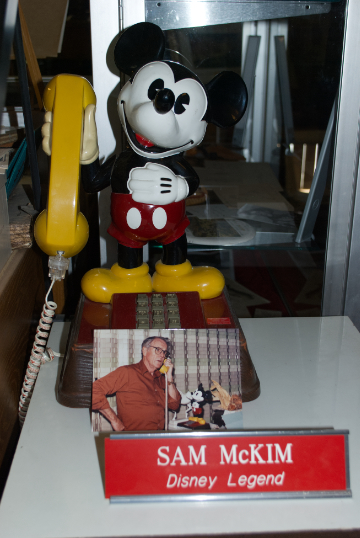
John Samuel McKim, was born in North Vancouver, Canada, in 1924, with a sketching pen in his hand and DNA shouting, “artist to be,“ at a time when tours were offered around Stanley Park and Capilano Canyon in a motorized black Model T Ford for one dollar a person, and blazing neon lights were first installed along Granville Street. While, south in the United States, Calvin Coolidge was president, and the Roaring 20’s boom was flying high with jazz and flappers, and Anaheim, California, population 9,000, was known as the “Valencia Orange Empire” with thousands of acres of citrus, covering most of the county, and completely surrounding the city of Anaheim by a sea of orange trees. Sam, known as Sammy during his early years, was the second son in a family of five; his father, Walter McKim of Scottish descent, worked for the Canadian government and was noted as a worthy and respectable man, who helped and lent a hand to other Scottish immigrants, but unfortunately suffered from harsh, long-lasting health struggles, was diagnosed with tuberculosis, and because of the highly infectious disease, was forced to live away from his family except for short visits, and in 1938 an autopsy revealed that he had been misdiagnosed, and suffered from heart problems, not tuberculosis.
Hard Times
Sam’s mother, Lydia McKim, raised the children, and was the resilient matriarch of the family, juggling finances and emotional strain of her children, with help from her father, during extremely difficult years, which, at the time, for the family, was only one step away from poverty. The McKim family moved to Seattle, Washington, searching for a better climate and a better life for Lydia’s husband, Walt, and father, John Henry Thorne Edwards, called Gramps, a Welshman who fought in World War I and was severely gassed by the Germans. Three more children were added to the family, and the McKims lost their Seattle home, and in 1935, during the Great Depression, finally settled in the northeast San Fernando Valley of Los Angeles. Gramps the maternal Grandfather for Sam and his siblings, transitioned to the primary male household figure in 1935, and Hollywood negotiator.
Hollywood Childhood Stardom
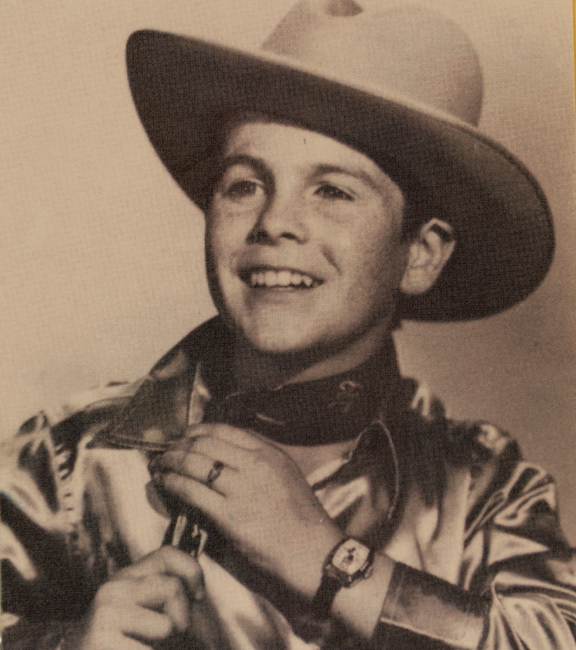
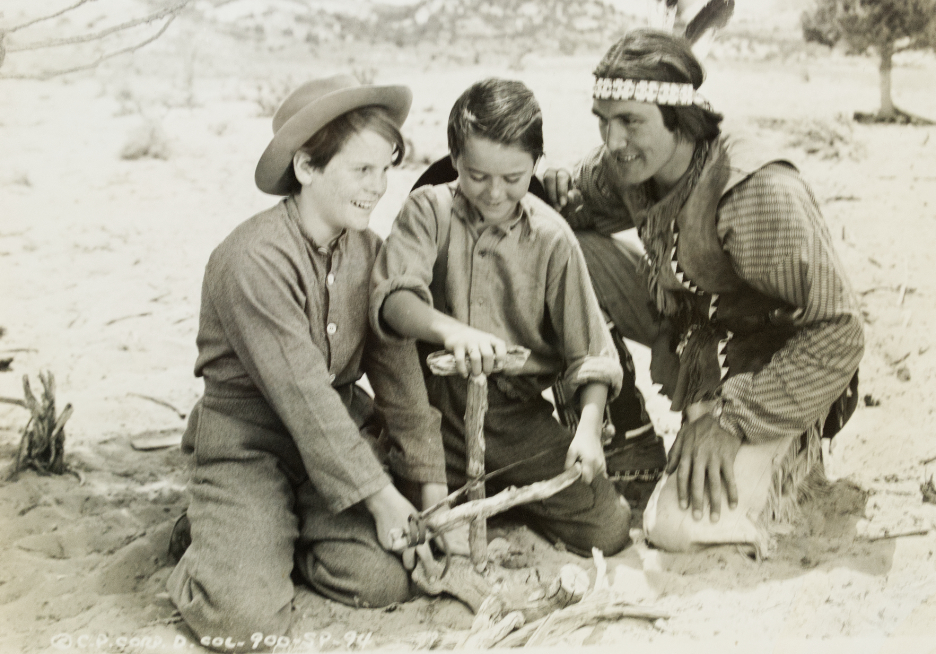
Sammy, 10-years-old, always with a smile on his lips, a positive thinker, with a handy sharpened pencil in his pocket, was always sketching interesting people, buildings, and pulling significant moments from his imagination onto paper, when Gramps, a hardened, European veteran, invited Sammy to visit a relative with him who worked at the MGM studio lot in Culver City, where a scene unfolded, not unlike a page from a bestselling novel, and a moment in time that drastically transformed the life of the McKim family. By pure chance a casting director noticed a young boy, not unlike Mark Twain’s Huckleberry Finn, with tangled thick red hair, a distinct face spotted with freckles, bright eyes, and a captivating smile, quickly realizing he might be a perfect type character for some upcoming films, and handed Gramps a recommendation letter. Days later, with Sammy on his arm, he delivered the letter to central casting to register him, which launched the McKim family from strenuous times to a new life. Sammy, with his grandparent the business manager, and negotiating contracts, performed in 34 films in just six years from 1936 to 1940, as did his four siblings, who performed in 70 to 80 films combined during the 1930s to 1950s, working as uncredited extras and bit-part actors, thanks to Gramps. But Sammy, with his engaging smile and intellect, became a notable child star. His first movie was a Jane Withers movie titled, This Is The Life under contract to 20th Century Fox Pictures, working seven hours a day with another three in the studio’s classroom, he was soon promoted from small uncredited roles to major supporting roles and $50 dollars a week, the equivalent of over $1,000 dollars today. During some 20 Hollywood years, he worked for Republic Pictures, MGM, RKO, Columbia, Universal, and Warner Brothers. Sammy played the young Kit Carson in The Painted Stallion in 1947, appeared in The Lone Ranger Serials in 1938 starring as “Boots,” performed in recurring juvenile roles in The Three Musketeers, appeared with John Wayne in three films, and also Spencer Tracy and Rita Hayworth. However, Republic Pictures wanted to elevate Sammy from a recurring sidekick to a star headliner with his own standalone film series, but during negotiations, his grandfather firmly insisted on more money than the studio was willing to offer, and the entire proposal collapsed, and, unfortunately, on November 16, 1938, Walter passed away from the results of a heart attack.
A Slight Walt Disney Connect
Sam was dedicated to the craft of acting and films, but his heart was always pulling him to art, and he was constantly sketching in-between shoots, during downtime on the sets, and on film locations. He said, “I’d draw caricatures of the actors, and they would sign them for me.” Working as a young western film star, he did a magazine photo ad for the Ingersoll Mickey Mouse watch, and in 1939 he auditioned for the voice of Pinocchio, was second place on the audition, losing to Dickie Jones, and in 1942, Sam sent some artwork to the Walt Disney Studios in Burbank, California, to be considered as an animator, but received a form letter mentioning a possible job in the mail room.
Active Army Duty and the Distinguished Service Cross
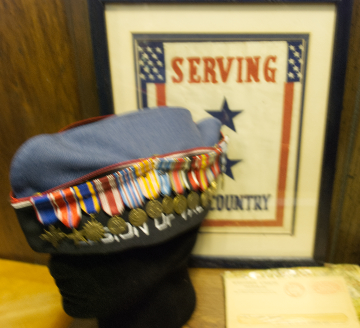
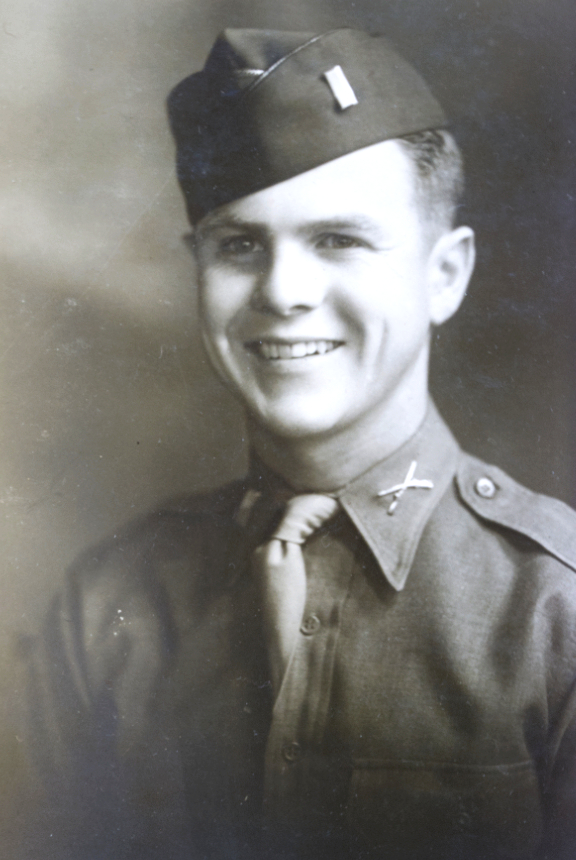
Shortly after this negative response from Disney, Sam, in 1943,enlisted in the Army, attended Officers Candidate School, and as a 2nd Lieutenant, age 19, was sent with the 89th Infantry Division to Japan for occupation duty, where he joined the 11th Airborne Division, making six parachute jumps, earning the nickname, “Eager Beaver.” As the war in Europe drew to a close, Sam volunteered to be transferred to the Pacific Theater to experience active combat duty, was shipped to the Philippines, but World War II finally ended, returned from army duty. Sam enrolled via the GI Bill at the Art Center College of Design. The day he graduated in 1950, he was drafted back into the Army, and the Korean Conflict. Sam was assigned as an aerial observer in the 1st Cavalry Division, flying in a light unarmored two-seat, reconnaissance spotter plane flying over dangerous and highly contested space between allied forces and North Korean/Chinese lines, and was shot down by enemy fire, crash landing and stranded in highly volatile “no man’s land.” The pilot was hit in a thigh artery, and Sam, using his core infantry officer’s training, applied a tourniquet, established a perimeter to protect the pilot, spent hours under darkness, evading capture, and finally rescued by a helicopter. After 14 months in Korea, Sam received the Distinguished Service Cross, the second highest U.S. military decoration, for displaying extraordinary heroism under fire, combined with tactical combat leadership and battlefield survival skills.
Meeting Walt Disney
“Hi, I’m Walt Disney, and who are you?”
Sam used the GI Bill once again to attend the prestigious Chouinard Art Institute in Los Angeles, earning another BA. The master film director, John Ford, who has four Academy Awards and holds the most “Best Director” in Academy Awards history, worked with Sam in Ford’s film, The Plough and the Stars, with Barbara Stanwyck, and always promised Sam better roles, and later did contact Sam with a supporting role in The Long Gray Line with Maureen O’Hara and Tyrone Power. Sam received the script, was fitted with attire for the part, when 20th Century Fox Art Department offered him a full time position as a professional artist, illustrating coming attractions for the screen. For a moment he was dramatically torn from following his childhood dream or acting. He turned down John Ford, the friendship ended, and he never heard from him again. Working at 20th Century Fox for 17 months, Lyle Wheeler, the head of the art department, had important connections at the Walt Disney Studios, Burbank, and sent Sam over for an interview on a cool Monday, December 6, 1954. They reviewed his portfolio, and Sam was added to Walt’s group of first Imagineers who were designing Disneyland Anaheim on a temporary two-week trial contract. Sam reported to the studio the next day on December 7th. Walt’s feedback was brief, highly enthusiastic, and directly led to his hiring. Then a few days later Walt scanned Sam’s detailed old-west drawings, he was so impressed by the sheer volume and narrative action of the artwork that he immediately threw out the temporary two-week contract, bypassed the trial period, and made Sam a permanent member of the core WED Enterprise design team. On Sam’s first day, he was in a room with six other artists in the Animation building at Disney’s Burbank studios, when a mustached gentleman stuck his head in the door, and looking at Sam, said, “Hi, I’m Walt Disney, and who are you?” Sam introduced himself, and Walt thanked the artists from the collection of various studios for their help in building Disneyland. A few days later, Sam was walking towards Walt in the Animation building and greeted him, Walt replied, “Good morning, Samuel!” This was before name tags, and surprised, Sam later remarked, “I couldn’t believe the boss remembered my name.”One morning, early on, Walt popped into Sam’s workspace, and said, “Samuel, what do you think of a mouse as a major character?” Sam worked closely with Walt for 12 years and said, “I very much cherished those years with Walt.” Walt liked Sam and his talent and assigned him various assignments, before he passed away, December 15, 1966, at the age of 65 at St. Joseph Hospital in Burbank, just across the street from the Disney Studios.
Sam McKim’s Disney Portfolio
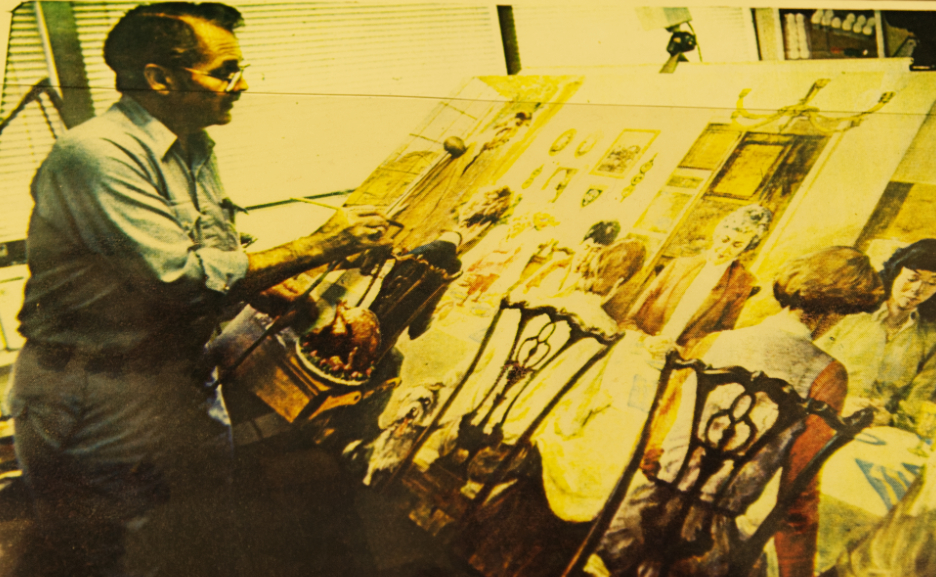
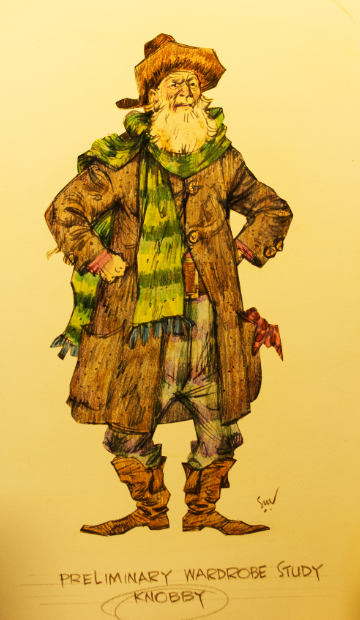
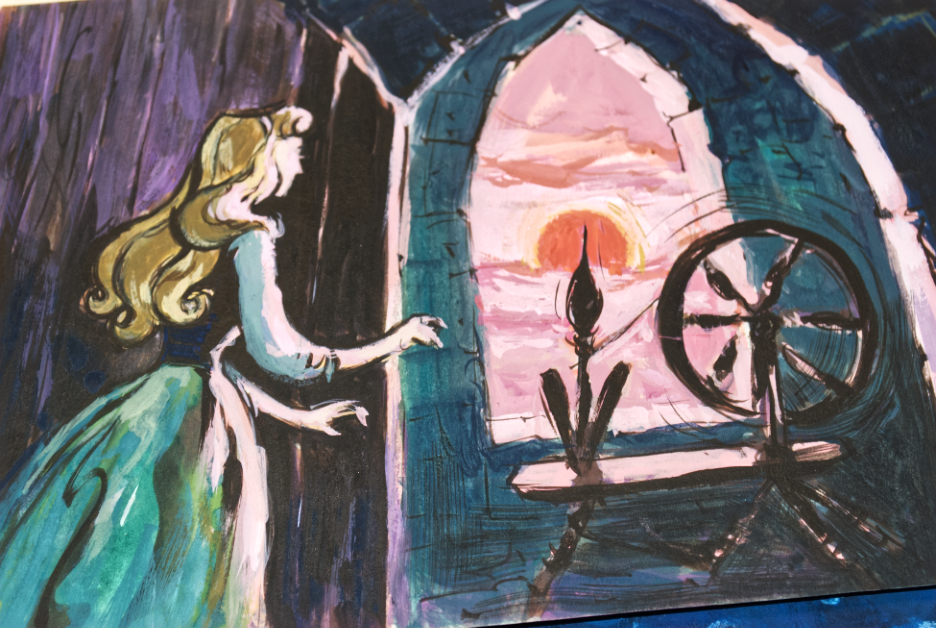
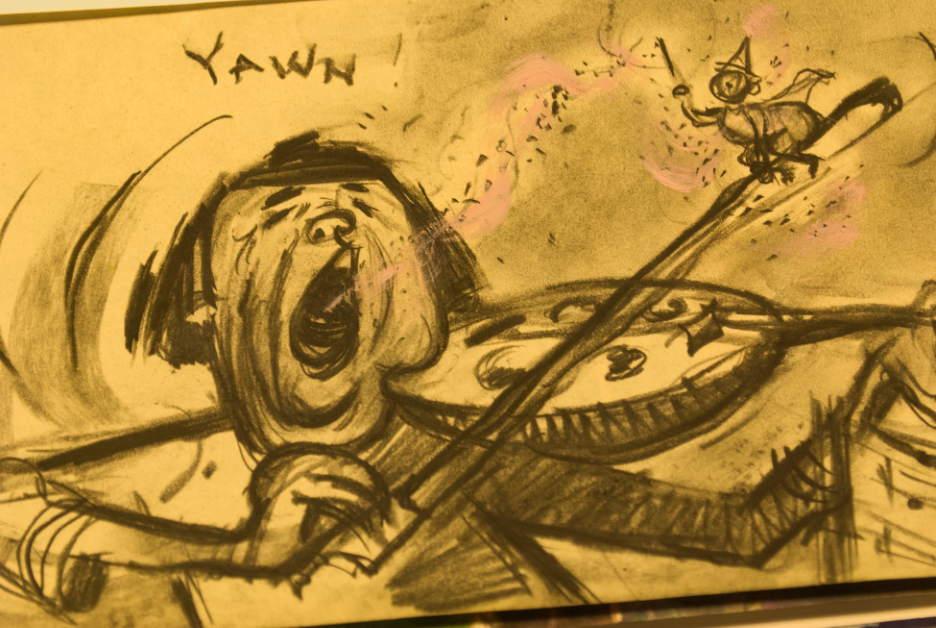
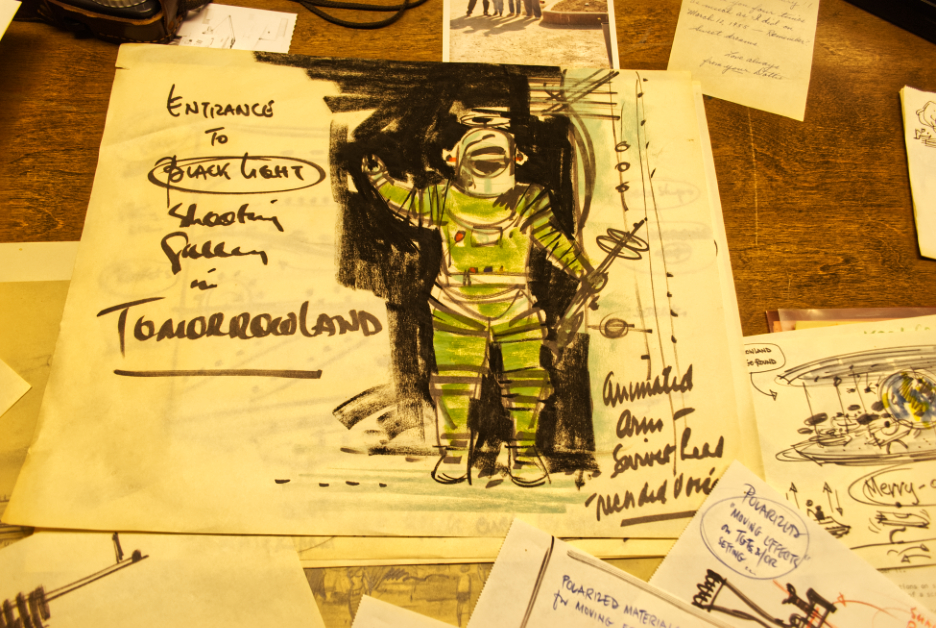
Sam’s background as a Hollywood child actor and incredible art skills helped capture the exact concept that Walt wanted for the park. Walt immediately shifted Sam’s responsibilities to establish the look for the entire sector of the park, relying on his vast cinematic experience to bring high-energy action to the park. Sam’s first assignment was creating inspirational interior concept sketches for the legendary Slue-Foot Sue’s Golden Horseshoe Salon in Frontierland and the shooting gallery. He created the colorful Pirates Map, for Pirates Souvenir Magazine the early concepts for the Haunted Mansion, and interior ghost interactions. He was involved in the planning of the Fort on Tom Sawyer’s Island, the Columbia Ship, Jungle Cruise, the Indian Village, and animals and figures along the river’s edge. Furthermore, he designed the preshow production artwork for Great Moments with Mr. Lincoln. In 1958 he created the first highly detailed large format souvenir maps that were sold in the park, and the official commemorative map for the1992 opening of Disneyland Paris. Contributed early scenic and atmospheric illustrations for Pirates of the Caribbean, and the New Orleans Square attraction, and conceptual sketches for the Disneyland Monorail system and Main Street, USA’s architectural ornamentation window names and graphics. Other artwork includes the Carousel of Progress in It’s a Small World, and concepts and paintings for all four major Disney designed pavilions in the 1964/65, New York World’s Fair.
Epcot Center
Sam developed early conceptual layout designs for Epcot, and foundational inspirational wings for the park’s architectural aesthetic. In The Hall of Presidents, he was the art director for an incredible amount of detail, and all of the audio animatronic Presidents, he painted the grand historical artwork in the anteroom, and layout designs for the Epcot American pavilion; painted the iconic “Giving Thanks,” and incorporated the likenesses of several famous fellow imagineers directly into the art work, and also created concept work for the Norway pavilion boat ride.
Sam McKim retired in January 1987, and in 1991, he was pulled out of retirement to develop the official commemorative map for the 1992 opening of Disneyland Paris, and also shared his expertise teaching night classes at Art Center College of Design for ten years. In 1996 Sam was honored with the “Disney Legends Award.” Also, in Walt Disney World’s Magic Kingdom, Frontierland, the company named their Disney Vacation Club Member Lounge, “McKim’s Mile House.”
Final Thoughts
One afternoon a thug was in Sam’s neighborhood and unsuccessfully trying to break into homes. Sam caught a glimpse of him, the police were called, and they asked Sam if he had, by chance, any description of the man? Sam pulled out a sheet of paper and drew a sketch of him and handed it to the startled officer. They caught the man, and the police thanked Sam, noting that his sketch was an identical likeness of the man.
Many incredible memories of my great neighbors Sam and his late wife Dorothy, who never once spoke about their achievements, and who always seemed to be smiling. Countless thanks to their two sons, Matt McKim, retired Walt Disney Imagineer, sculptor, and designer, and Brian McKim, former animator and feature illustrator. Sam McKim passed, July 9, 2004, age 79.























Raoul Pascual
September 9, 2026 at 8:56 pm
Being an artist myself, I found this extremely interesting.
I actually went on an interview at the Disney Burbank studios a long time ago. The interview was arranged by my son’s violin instructor who happened to be a niece of one of the Imagineers. The interviewer was kind but we both knew my style was not Disney-esque.
Great story and photos.
Jane
September 10, 2026 at 8:38 pm
What a fascinating story about Sam McKim! These are such important stories to tell and it shines a light on the amazing artists that were responsible for so much of the Disney legend and success. Truly fascinating. This was a great read!
Jane
September 10, 2026 at 8:41 pm
What a fascinating story about Sam McKim! These are such important stories to tell and it shines a light on the amazing artists that were responsible for so much of the Disney legend and success. Truly fascinating. This was a great read! I will definitely look for his window on Main Street the next time we’re at Disneyland. Excellent!
Mike
September 10, 2026 at 11:22 pm
Wonderful story and amazing photos. Thanks so much for sharing your story.
ruth
September 12, 2026 at 6:05 pm
This is a fascinating account, and I couldn’t pause while reading it. The writing has immediacy. I feel as though I know Sam—he is that much alive. Great photographs, too.
Jason
September 20, 2026 at 4:21 pm
Very engaging article and history. The words and photos capture Sam’s interesting life and rich artistry
Matt McKim
September 22, 2026 at 6:42 pm
Thank you Richard for a touching article on Dad! You certainly knew him, being friends and neighbors that talked regularly. My brother Brian and I try to keep our Dad’s heritage alive whenever possible, and you have contributed to that, thank you!
Mary Russo
September 27, 2026 at 5:56 pm
Thank you Richard Carroll for a great article! Truly enjoyed learning about Sam McKims interesting life!