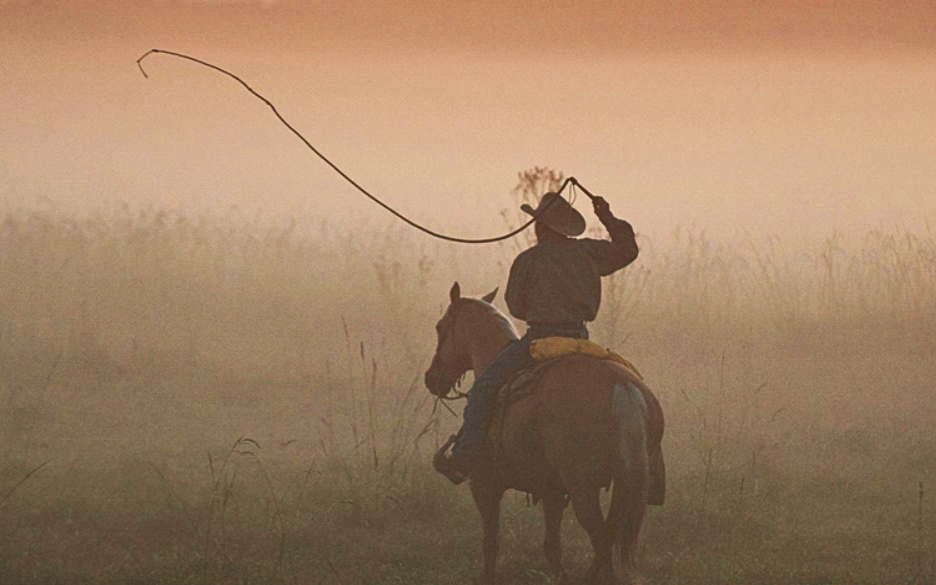
Yes, words do change meaning as they go out into the world. Take Cracker, generally defined as a “good ol’ boy'” from the deep South. But it really means Georgia cattlemen who would winter their cattle in the Florida Panhandle who had a unique way of ‘cracking‘ their whips. “Here comes those ‘crackers’” which Floridians would expound.
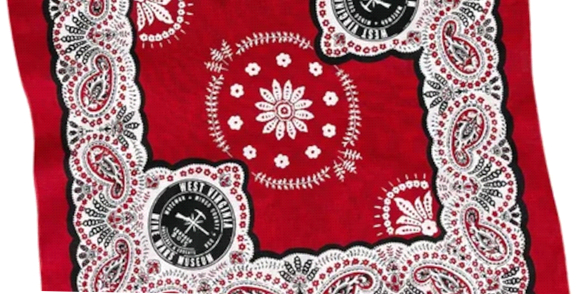
Or, ‘redneck,’ like ‘good ol’ boy:’ anti-government, far right, sometimes anarchists or even proudly unaware of contemporary politics. Here’s what I learned: ‘Rednecks’ were coal miners in Harlan County, West Virginia who were on strike due to inhumane working conditions. In a sign of solidarity, they would wear red bandanas around their necks. As they marched down the dusty street, corrupt owners and politicians in cohesion with law enforcement and ‘strike busters’ with ax handles would shout, “here comes those ‘rednecks'”, meaning here comes Trouble!
How about “Hat trick” which originated in cricket in 1858, when bowler H. H. Stephenson took three wickets with three consecutive balls and was rewarded with a new hat purchased from a fan collection.
Then:
“Don’t judge a book by its cover.” The idiom warns against forming opinions based solely on appearances, with roots tracing back to 19th-century literature.
In past Britain, book thievery was immense and booksellers would place worn and scratchy book covers on expensive books to avoid their theft.
The term “raining cats and dogs” derive from Victorian times when street drainage was so poor that pets left on the streets would drown during rainstorms. After the rainfall, the dead cats and dogs strewn across the streets made it appear as though it had been raining cats and dogs.
“Knock on wood” most likely comes from 19th century British children’s game Tiggy Touchwood, though older theories link it to ancient Celtic/Germanic tree spirit beliefs and later Christian symbolism. A superstition used to avoid tempting fate.
Naval Sayings – The Ultimate List of Nautical Sayings & Sailing Terms.
List from Gary Evans via MODELERS CENTRAL
Slightly edited by Traveling Boy, due to special concerns.
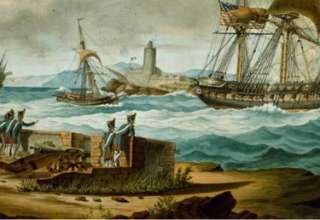
For 200 years the British Empire ruled 25 percent of the world. Why? Because they ruled 25 percent of the world’s waterways with efficient vessels and experienced sailors.
So, many British nautical terms are used today, but in an entirely different context.
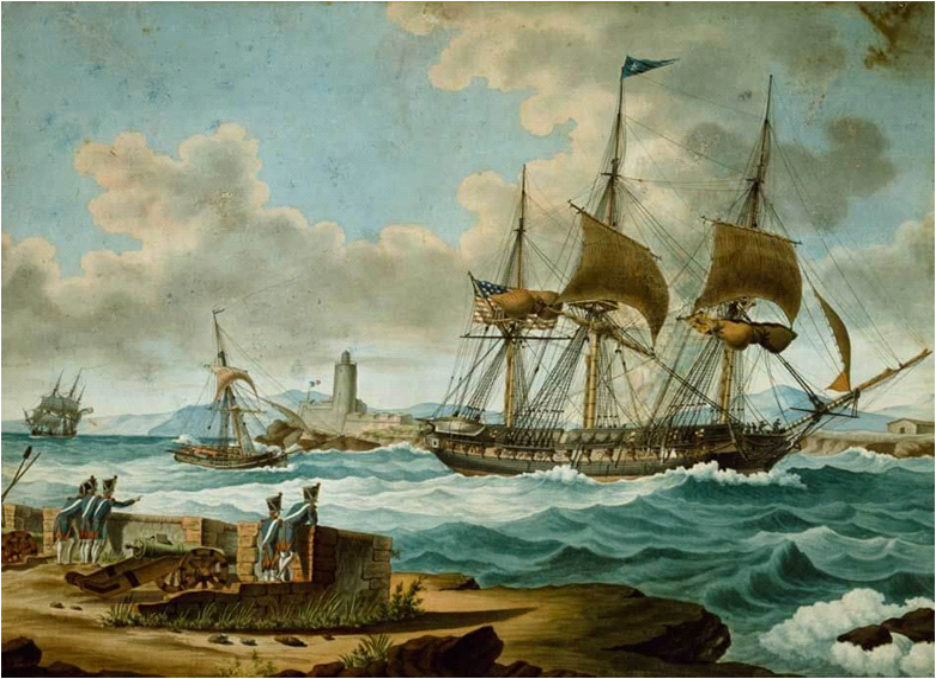
Even Keel: To maintain calm and steady progress. Courtesy of The Ultimate List of Nautical Sayings.
Above Board: Referring to anything in open and plain view.
History: On a naval vessel, items and equipment could either be stored on deck or below in the ship’s hold. An item stored or viewable from the deck was said to be kept above board.
Aloof: To be in a state of indifference.
History: Coming from the Old Dutch ‘loef’, meaning windward, this term was used when referring to a ship sailing higher to the wind and becoming separated from the rest of the fleet.
Another Day, Another Dollar: A turn of phrase used with resignation to refer to a repetitive and tedious activity, such as the working week.
History: This expression dates back to the early 19th century when American sailors were paid a dollar for a day’s work. It was used in a similar fashion to today, in that sailors worked long hours in tiring conditions for only an extra dollar to their name.
.
At a Loose End: To finalize the details or requirements of an activity.
History: This term refers to the final task of the sailor to secure the loose ends to ensure the vessel is ready and shipshape.
Bottoms Up: To finish one’s drink, often quickly.
History: This term comes from the common practice of tricking English sailors into joining the Navy when they didn’t want to. The sailor would be manipulated into “accepting payment” for joining the Navy by dropping a coin into his drink. Once the trick became well known, people would remind each other with the phrase ‘bottoms up’ to check their glass for hidden “payment”.
Cut and Run: To run away, to abandon something, to leave something incomplete.
History: Often thought to refer to the severing of an anchor line, the phrase cut and run is much more likely to refer to the practice of tying down the sails of a square-rigged ship with ropes that could be cut, rather than untied, if sails needed to be hoisted with haste.
Foul Up: To make an error or mistake.
History: Many nautical terms used the term ‘foul’ to refer to unwanted situations. Foul itself meant to be tangled up, or impeded of progress. A foul anchor is one that is entangled and unusable for the time being. A foul berth describes another vessel that has positioned itself too close to another and there is a high risk that the two ships will collide.
Figurehead: A noted leader with no real power or authority.
History: On a ship, a figurehead was an ornamental figure used for religious protection, or for purely decorative purposes.
First Rate: To be the best, of the highest quality, of the most skill.
History: From the 1500s through to the advent of steam-powered naval vessels, British Naval ships were scored from 1 through to 6, with first-rate having 100 or more guns, down to 6th rate, being frigates with only 20 to 48 guns.
Footloose: To be free to do as you please.
History: If unsecured, the bottom portion of a sail, called the foot, is able to flap and move about in the wind.
Gripe: To complain or have a problem
History: A gripe is a nautical term used to describe a vessel that has been poorly designed and so the bow tends towards the wind, causing the sail to flap, impeding progress and making the ship difficult to maneuver.
Grog/Groggy: To describe alcohol, usually of poor quality.
History: In the 18th Century, Vice Admiral Sir Edward Vernon decreed that each sailor’s half pint of rum a day should be watered down with an equal amount of water. The sailors nicknamed the Vice Admiral “Old Groggy” as he wore a Grogam coat on deck. The mixture of watered-down rum became termed ‘grog’, and those who drank too much of it were referred to as ‘groggy.’
Hard Up: To be in a state of need.
History: In nautical terms, to put the ‘helm hard over’ means to position it as far as it can go in a particular direction. The full saying. ‘Hard up in a clinch and no knife to cut the seizing’ was used by sailors to refer to the coming of grief with no solution.
Haze: To celebrate the arrival of a new arrival to a group by means of embarrassment or humiliation in order to instate authority.
History: In the seafaring times, captains and other levels of authority would demand their crew to work long hours during the day and into the night, even when necessary, for no other reason than to make them miserable.
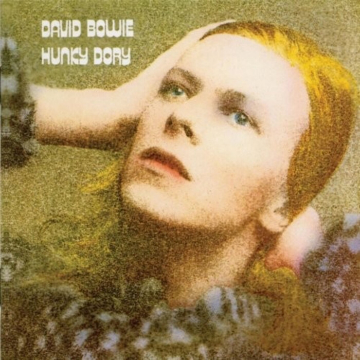
Hunky-Dory: To describe a situation as being pleasant, moving as expected, going ok.
History: This naval saying is thought to come from American Sailors who used the term to describe a popular street in Japan called Honcho-Dori which was frequented by lonely sailors.
Keel Over: To fall over or pass away.
History: Even today, the keel is a fundamental component of most types of sailing ships. It acts as a counterbalance for the mast and keeps the boat stable in conditions that would otherwise cause the boat to capsize. If a ship “keeled over” it had rolled over and began sinking, or on land, simply fallen over.
To Know the Ropes: To be familiar/competent in a particular task.
History: Tall ships sailed by the navy prior to the advent of steam-powered vessels were operated by a series of ropes that controlled the mechanisms and pulleys that operated the sails. These rope-based systems were complex, and so sailors were required to memorize the configurations, so they were used correctly. This obviously took time, so a less experienced sailor might not “know the ropes” as well as one who had been sailing for longer.
Son of a Gun: An exclamation of surprise, annoyance, aggression.
History: In the event that a child was born aboard the ship from the wife or temporary companion of one of the crew members, often on the gun deck. If no one knew who the father was, they were logged as being the “son of a gun.”
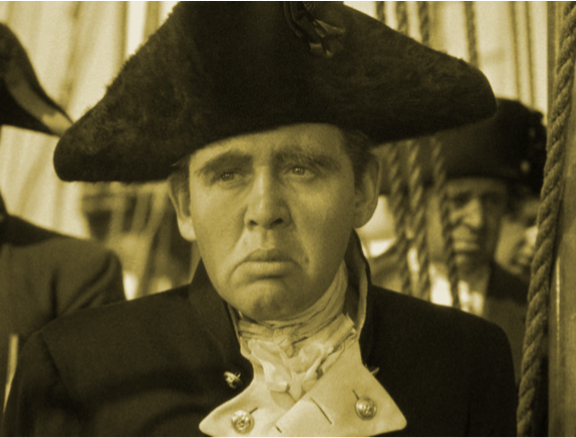
To Let the Cat Out of the Bag: To unveil what was previously unsecured or secret.
History: In the early days of sailors, the ‘cat o nine tails’ was the name for a whip constructed from rope with unbraided ends that left wounds on the back similar to the scratches of a cat.
Long Shot: A situation where the intended or preferred outcome is considered unlikely to occur.
History: Old naval warships used cannons as their main form of weaponry, which often were hit and miss in terms of accuracy. Different cannons also had varying maximum ranges which depended on their design, age and quality. If a vessel was to fire beyond its range and deliver a long shot, it was unlikely that it would hit its target.
Loose Cannon: Used to describe a person, object or situation that is unstable or likely to cause trouble if left unattended.
History: Due to their massive weight, cannons on a sailing ship were secured to prevent them from moving about with the waves of the sea, as a loose cannon would cause immense damage to the sailing vessel or crew.
Overbearing: To manipulate a state of power in a fashion that makes others uncomfortable
History: This term refers to the act of sailing downwind of another ship, blocking or ‘stealing’ their wind, slowing them down.
Overwhelm: To be in a state of emotional overload or to be taken over by something
History: This naval term is derived from the Old English for a boat that has capsized.
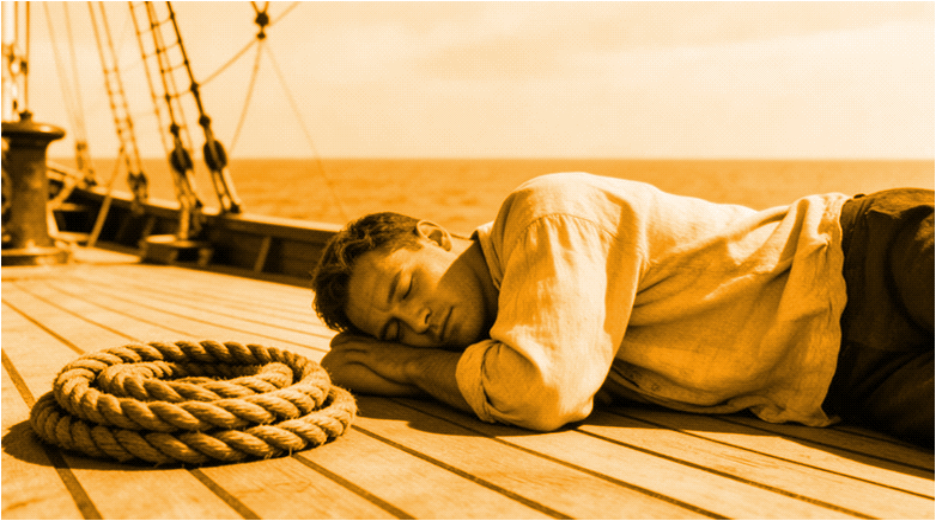
Poop: To be washed out, tired.
History: In terms of the actual structure and layout of the ship, the highest deck at the back of the vessel was called the poop deck. If a ship were to become breached by a large wave that flooded the vessel from the back, she was said to have been pooped.
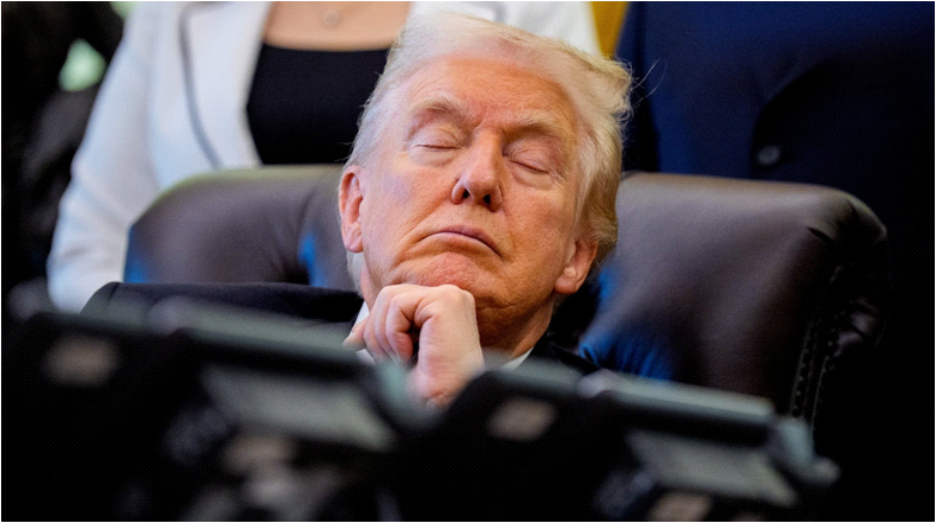
Slush Fund: An amount of money assigned to the use of bribe or influence.
History: In the 1800’s, a mixture of fat would be sold ashore by the ships cook that would be gathered from boiling the salted beef for food at sea. This money was then used for the benefit of the crew or the cook himself and called the ‘slush fund.’
Scuttlebutt: Rumour or gossip.
History: In seafaring times, sailors would exchange gossip in a scuttlebutt. This was a water barrel with a hole in it that was used to dispense drinking water.
Shake a Leg: To get out of bed, to get moving.
History: It is believed that in the early naval days, this term was used as a command for crew members to step out of their hammocks and begin preparations for the day. It is also believed that the term may have come from the fact that women were allowed on board when the ship was in port, and thus the crew knew when a woman was still aboard and needed to be woken up and moved ashore before setting sail.
Square Meal: A good quality, nutritious meal.
History: This term was most likely derived from the fact that sailors were served their meals on square shaped plates. However, from the 1500s onwards, the word ‘square’ meant that something was upstanding, proper or straightforward.

Three Sheets to the Wind: To be in a state of intoxication.
History: On a ship, a rope is called a sheet. If the sheets on a three-masted rigged ship became loose on the three lower-course, the sails would begin to flap about and the ship would lose all purposeful direction.
Under the Weather: To be feeling ill, not yourself.
History: On an early naval vessel, various watches were assigned to crew members to keep an eye out for danger. Often considered the worst watch station one could be assigned, the ‘weather’ side of the bow was often subject to the pitching and rolling of the ship, as well as the numerous waves that would break over the bow. The crew member assigned this watch would end their shift drenched and described as having been ‘under the weather.
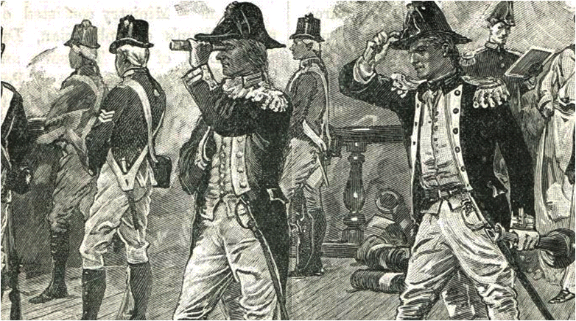
Courtesy of Christopher A. Sørensen via Patrick O’Brian Appreciation Society.
Turn a Blind Eye: To ignore, to pretend you did not see something.
History: This commonly used saying originates from the actions of Admiral Lord Nelson in the Battle of Copenhagen. In the battle, a signal was given to cease fighting and retreat. In response, the Admiral held his spyglass to his blind eye and later insisted he had not seen the signal.
Hey, that was fun.
With thanks to 116 Naval Sayings – The Ultimate List of Nautical Sayings