Starting on the heels of the Australian New Wave Cinema,There was once a New Wave heard around the World: Australian Cinema recently published in Traveling Boy.
New Zealand’s New Wave Cinema emerged in the late 1970s, with the help of the Zealand Film Commission and government tax incentives for film production. It was a movement which was spearheaded by local and international co-productions, with a focus on action, road movies, and politically charged dramas, dominated by open-space narratives, action, stunts, car chases and primarily isolated male protagonists, living on the edge.
I didn’t even know that such a period existed until the early 1980s when I first saw a screening of director Roger Donaldson’s Sleeping Dogs (1977), a gritty thriller starring Sam Neill. It became the first major New Zealand feature widely screened abroad, exploring authoritarianism, civil unrest, and the “man apart” archetype. The film received rave international reviews, including praise from film critic Pauline Kael, and helped pave the way for Donaldson’s Hollywood career. This was followed by Smash Palace (1982), also by Donaldson.
At this point I was a goner, and anxious to see more.
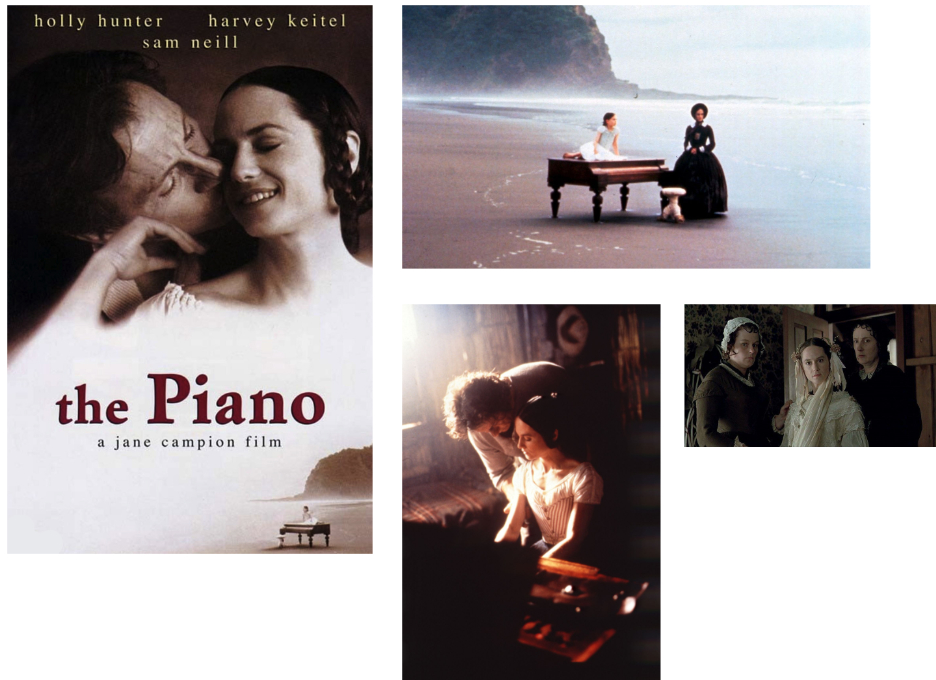
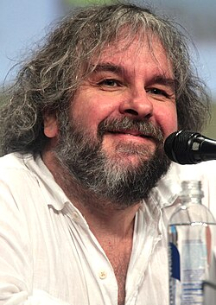
While the boom ended in the mid-1980s after tax incentives were phased out, the new wave laid the groundwork for later New Zealand cinema successes such as The Piano (1993, directed by Jane Campion), Heavenly Creatures (1994, directed by Peter Jackson ), and Once Were Warriors (1994, directed by Lee Tamahori (who is half Māori) which also characterized New Zealand’s reputation for distinctive, location-driven filmmaking.

Once Were Warriors became the highest-grossing film of all time in New Zealand. It tells the story of the Heke family, an urban Māori whānau (extended family) living in South Auckland, and their problems with poverty, gambling, drugs, alcoholism and domestic violence. It explores the effects of the colonization of New Zealand, suffered by Māori, and the survival of Māori culture.
Jane Campion, a prominent New Zealand female filmmaker in world cinema, is noted for themes of feminism, sexuality, and tension between independence and submission.
Campion’s directorial debut was Sweetie (1989). She is best known for writing and directing the critically acclaimed film, The Piano (1993). Her other films include An Angel at My Table (1990), The Portrait of a Lady (1996 co-production), Holy Smoke! (1998), and Bright Star (2009). After a 10-year break, she returned with the international co-production, The Power of the Dog (2021).
For Peter Jackson, known more as an AI and special effects director, visit Peter Jackson – Wikipedia.
Somehow, I missed Goodbye Pork Pie (1981) written and directed by New Zealander Matt Murphy, the first New Zealand film to win a substantial local audience. But I plan on finding it soon.